Plant proteins are having a moment. With rising interest in Mediterranean, flexitarian, and plant-forward eating, more people are asking how much protein they actually need — and whether vegetables, beans, and grains can really deliver enough. The short answer, according to a growing body of nutrition research, is yes: a well-planned plant-based diet can meet protein requirements at every life stage. The longer answer involves variety, portion sizes, and a little smart pairing.
Why Plant Protein Matters
Protein is the body’s structural workhorse, building muscle, enzymes, hormones, immune cells, and connective tissue. Research published in the American Journal of Clinical Nutrition has consistently linked higher intakes of plant protein with lower rates of cardiovascular disease, type 2 diabetes, and all-cause mortality compared with diets dominated by red and processed meats.
A 2020 study from Harvard T.H. Chan School of Public Health, drawing on data from more than 400,000 adults, found that swapping 3% of calories from animal protein for plant protein was associated with a 10% lower risk of death from any cause. The pattern was strongest when plant proteins replaced red and processed meats.
Beyond longevity, plant protein sources tend to come bundled with fiber, antioxidants, polyphenols, and healthy unsaturated fats — nutrients that animal proteins typically lack.
How Much Protein Do You Actually Need?
The Recommended Dietary Allowance (RDA) set by the National Academies is 0.8 grams of protein per kilogram of body weight per day — roughly 56 grams for a 70-kg (154-lb) adult. This figure represents the minimum needed to prevent deficiency in most healthy adults, not the optimal intake for muscle maintenance, recovery, or healthy aging.
The International Society of Sports Nutrition and several systematic reviews suggest that 1.2–1.6 g/kg per day better supports active adults, with athletes and older adults often benefiting from intakes in the 1.6–2.0 g/kg range. Research published in the Journal of the American Geriatrics Society has shown that older adults who consume more protein — distributed across the day — preserve muscle mass and function more effectively.
A few practical anchors:
- Sedentary adult: ~0.8 g/kg (about 50–60 g for most adults)
- Active adult: 1.2–1.6 g/kg
- Strength training or endurance athlete: 1.6–2.0 g/kg
- Adults over 65: 1.0–1.2 g/kg minimum, spread across meals
The Best Plant Protein Sources
Plant foods vary widely in protein content. Whole, minimally processed sources tend to deliver the most protein per calorie while supplying additional nutrients.
Legumes and Pulses
Lentils, chickpeas, black beans, kidney beans, and split peas are among the most protein-dense plant foods. One cup of cooked lentils provides about 18 grams of protein and 15 grams of fiber. The U.S. Department of Agriculture’s Dietary Guidelines for Americans highlights legumes as a cornerstone of healthy eating patterns.
Soy Foods
Tofu, tempeh, edamame, and soy milk are unusual in the plant world because they contain all nine essential amino acids in sufficient amounts. A 3-ounce serving of tempeh delivers about 16 grams of protein, while a cup of edamame provides 18 grams. A large meta-analysis in Circulation linked regular soy consumption with modest improvements in LDL cholesterol.
Whole Grains and Pseudo-Grains
Quinoa, amaranth, buckwheat, oats, and farro contribute meaningful protein along with complex carbohydrates. One cup of cooked quinoa offers about 8 grams of protein and, like soy, contains all essential amino acids.
Nuts and Seeds
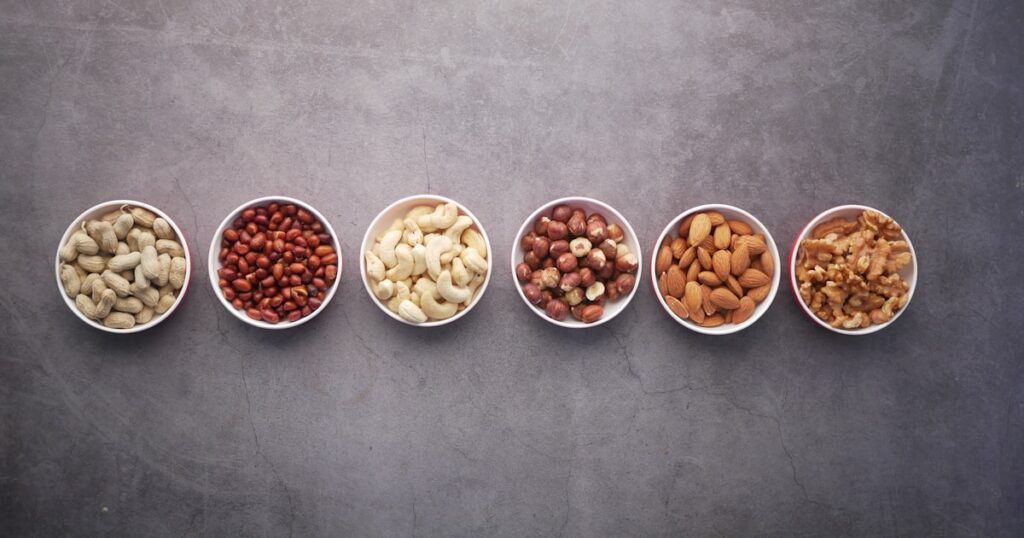
Almonds, pistachios, pumpkin seeds, hemp seeds, chia, and flax provide protein plus heart-healthy fats. Three tablespoons of hemp seeds deliver roughly 10 grams of protein. Research from the BMJ has associated regular nut consumption with reduced cardiovascular and overall mortality.
Vegetables
Often overlooked, vegetables like broccoli, spinach, peas, and Brussels sprouts add 3–8 grams of protein per cup cooked — small amounts that add up across the day.
What About Complete Proteins?
Older nutrition advice emphasized strictly combining foods at every meal to create “complete” proteins. Current consensus, summarized by the Academy of Nutrition and Dietetics, is more relaxed: as long as you eat a variety of plant foods across the day, your body assembles the full complement of essential amino acids from its circulating pool.
That said, classic combinations remain useful and delicious:
- Rice and beans
- Hummus and whole-grain pita
- Peanut butter on whole-wheat bread
- Lentil soup with barley
- Tofu stir-fry with brown rice
The amino acid lysine is the one to watch on a strictly plant-based diet, as it’s lower in grains. Including legumes daily generally resolves this.
Plant Protein and Muscle Building
A common concern is whether plant proteins can support muscle growth as effectively as whey or eggs. Research published in Nutrients and Sports Medicine suggests they can — provided total daily protein hits the recommended range and meals contain enough leucine (an amino acid that triggers muscle protein synthesis). Soy, lentils, and quinoa are particularly rich in leucine.
A 2021 randomized trial in older adults found no significant difference in lean mass gains between groups consuming high-protein omnivorous diets and those using a mix of plant proteins, when total protein and resistance training were matched.
Building a High-Protein Plant Plate
Distributing protein across meals — roughly 25–35 grams per meal — appears to optimize muscle protein synthesis according to research from McMaster University. A practical day might look like:
- Breakfast: Oats with hemp seeds, almond butter, and soy milk (~22 g)
- Lunch: Lentil and quinoa bowl with vegetables and tahini (~28 g)
- Snack: Edamame or roasted chickpeas (~12 g)
- Dinner: Tempeh stir-fry with brown rice and broccoli (~30 g)
That totals around 90 grams — comfortably in the active-adult range.
The Bottom Line
Plant proteins are no longer a fringe option. From lentils and tofu to hemp seeds and quinoa, the variety, nutrient density, and health associations make them a smart foundation for everyday eating. The keys are eating enough, eating a variety, and spreading protein across the day. For individualized targets — especially for athletes, older adults, or those managing chronic conditions — a registered dietitian can help fine-tune intake.
Disclosure: This content is for informational purposes only and is not medical advice. Always consult a qualified healthcare provider before making changes to your health regimen.