Interest in plant-based eating has surged over the past decade, but one question follows nearly every shift toward a more plant-forward diet: where do you get your protein? It is a fair question — protein is essential for building and repairing muscle, producing enzymes and hormones, supporting immune function, and maintaining virtually every biological process in the body. The good news, according to a growing body of nutritional science, is that plants can supply all the protein most people need — if you know which ones to choose and how to structure your intake.
Why Protein Matters So Much
Protein is composed of amino acids, nine of which are classified as “essential” because the human body cannot synthesize them on its own — they must come from food. These include leucine, isoleucine, valine (the branched-chain amino acids critical for muscle synthesis), lysine, methionine, phenylalanine, threonine, tryptophan, and histidine.
A high-quality protein source supplies all nine essential amino acids in proportions the body can effectively use. Animal proteins typically qualify as “complete” proteins by this definition. Many plant proteins lack or are low in one or more essential amino acids — but this does not mean plant-based diets are inherently deficient. Eating a varied diet of legumes, grains, nuts, seeds, and vegetables across the day ensures that your body receives the full spectrum of amino acids it needs.
The Academy of Nutrition and Dietetics, in its official position statement, affirms that well-planned plant-based diets can meet all protein requirements across all life stages — including for athletes and older adults.
Top Plant-Based Protein Sources
Not all plant proteins are created equal. Here are the most protein-dense, well-researched plant foods and what they offer per serving:
Legumes and Soy
- Tempeh — approximately 31 grams per cup (cooked). Fermented soy product with all essential amino acids and gut-friendly probiotics. One of the highest plant protein sources available.
- Edamame (green soybeans) — approximately 17 grams per cup. A complete protein and excellent source of iron, calcium, and folate.
- Lentils — approximately 18 grams per cup (cooked). Rich in leucine and high in fiber; studies link regular lentil consumption to improved glycemic control and cardiovascular markers.
- Black beans and chickpeas — approximately 15 grams per cup (cooked). Versatile, affordable, and rich in fiber that feeds beneficial gut bacteria.
- Tofu (firm) — approximately 20 grams per cup. Made from soybeans; a complete protein available in multiple textures suitable for a wide range of cooking methods.
Grains and Pseudo-Grains
- Seitan (wheat gluten) — approximately 25 grams per 3.5 oz serving. Exceptionally high in protein; however, not suitable for those with celiac disease or non-celiac gluten sensitivity.
- Quinoa — approximately 8 grams per cup (cooked). One of the rare plant grains to qualify as a complete protein — containing all nine essential amino acids in useful quantities.
- Oats — approximately 6 grams per half cup (dry). Higher protein than most grains and a good source of beta-glucan fiber, linked in multiple meta-analyses to reduced LDL cholesterol.
Nuts, Seeds, and Algae
- Hemp seeds — approximately 10 grams per 3 tablespoons. A complete protein with a favorable omega-6 to omega-3 ratio; supports both protein and essential fatty acid intake simultaneously.
- Pumpkin seeds (pepitas) — approximately 9 grams per oz. Among the highest-protein seeds; notable for zinc, magnesium, and iron content.
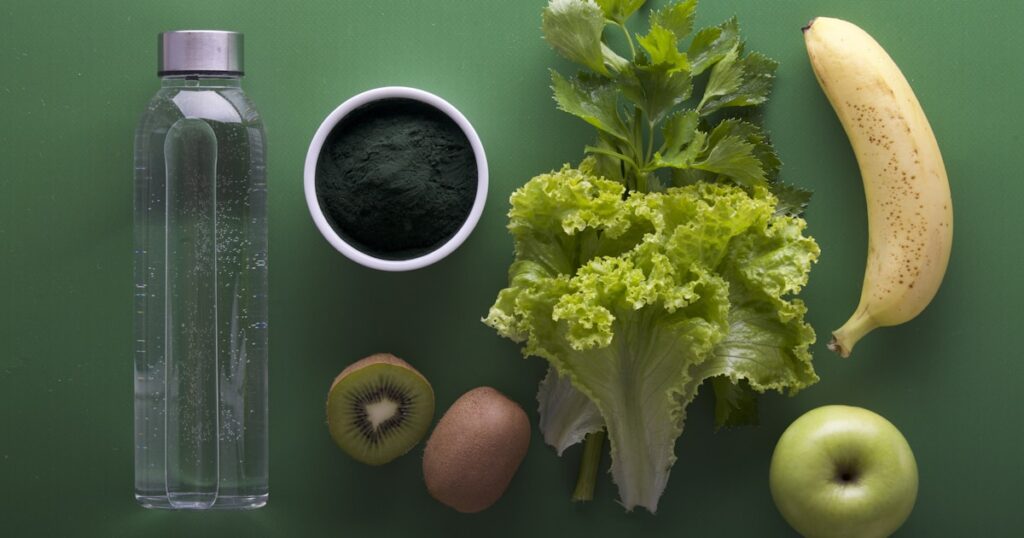
- Spirulina — approximately 8 grams per 2 tablespoons. A blue-green algae with a complete amino acid profile; research published in Nutrients suggests it may support immune function and reduce oxidative stress markers.
- Peanuts and almond butter — approximately 7-8 grams per 2 tablespoons. Calorie-dense and satiating; peanuts contain more protein per gram than most nuts.
The Science on Plant Protein vs. Animal Protein
A significant 2019 meta-analysis published in JAMA Internal Medicine, drawing on data from over 70,000 participants, found that higher plant protein intake was associated with a significantly reduced risk of all-cause mortality. The authors noted that substituting plant protein for animal protein — particularly processed red meat — was associated with meaningful reductions in cardiovascular mortality.
Research also suggests that plant proteins tend to have a lower digestibility-corrected amino acid score (DIAAS) than most animal proteins, meaning the body may absorb a slightly lower fraction of the protein you consume. However, this gap is largely offset by eating a variety of protein-rich plant foods throughout the day and slightly increasing total protein intake if desired.
A 2020 review in the Journal of Nutrition concluded that the health outcomes associated with plant-based proteins — including improved lipid profiles, lower inflammatory markers, and better glycemic control — represent benefits that go beyond the protein itself, attributable in part to the fiber, polyphenols, and micronutrients that come bundled with plant protein sources.
How Much Protein Do You Actually Need?
The Recommended Dietary Allowance (RDA) for protein is 0.8 grams per kilogram of body weight per day — a figure designed to meet the basic needs of sedentary adults. However, research increasingly suggests this is a floor, not an optimal target. Most nutrition scientists now recommend:
- Moderately active adults: 1.2–1.6 g/kg/day
- Active adults and athletes: 1.4–2.0 g/kg/day
- Adults over 65: at least 1.0–1.2 g/kg/day to counter age-related muscle loss (sarcopenia)
- During caloric restriction or weight loss: higher protein (1.6–2.0 g/kg/day) helps preserve lean muscle mass
For someone weighing 70 kg (154 lbs) following moderate activity guidelines, this translates to roughly 84–112 grams of protein per day — achievable on a well-structured plant-based diet.
Practical Tips for Maximizing Plant Protein Intake
Combine Complementary Proteins
While the idea that you must combine proteins in a single meal has been largely debunked, eating a variety of protein sources across the day ensures your body receives all essential amino acids. Classic complementary pairings include rice and beans, whole-grain bread with peanut butter, and hummus with pita — combinations that together supply a complete amino acid profile.
Prioritize Leucine-Rich Sources
Leucine is the primary trigger for muscle protein synthesis. Plant foods highest in leucine include soybeans, edamame, tempeh, lentils, and peanuts. Ensuring leucine adequacy is particularly important for older adults and those doing resistance training.
Spread Protein Across Meals
Research suggests that spreading protein intake evenly across three to four meals maximizes muscle protein synthesis compared to consuming the majority of protein in a single sitting. Aim for 20–40 grams of protein per meal, depending on your goals.
Consider Fortified Plant Protein Powders
For those struggling to meet protein targets through whole foods alone, pea protein isolate and rice-pea blends offer concentrated, complete protein options. A 2015 study in the Journal of the International Society of Sports Nutrition found pea protein as effective as whey protein for increasing muscle thickness in response to resistance training.
The Bottom Line
Plant-based proteins can fully support human health, muscle maintenance, and athletic performance when eaten thoughtfully and in sufficient quantities. The key is diversity: legumes, whole grains, nuts, seeds, and soy products each bring a distinct amino acid profile and a range of complementary nutrients. Combined, they form a nutritional foundation that research consistently links to reduced chronic disease risk, improved metabolic health, and greater longevity.
If you are transitioning to a more plant-forward diet, consider consulting a registered dietitian who can assess your individual protein needs and help you build a meal plan tailored to your health goals.
Disclosure: This content is for informational purposes only and is not medical advice. Always consult a qualified healthcare provider before making changes to your health regimen.