
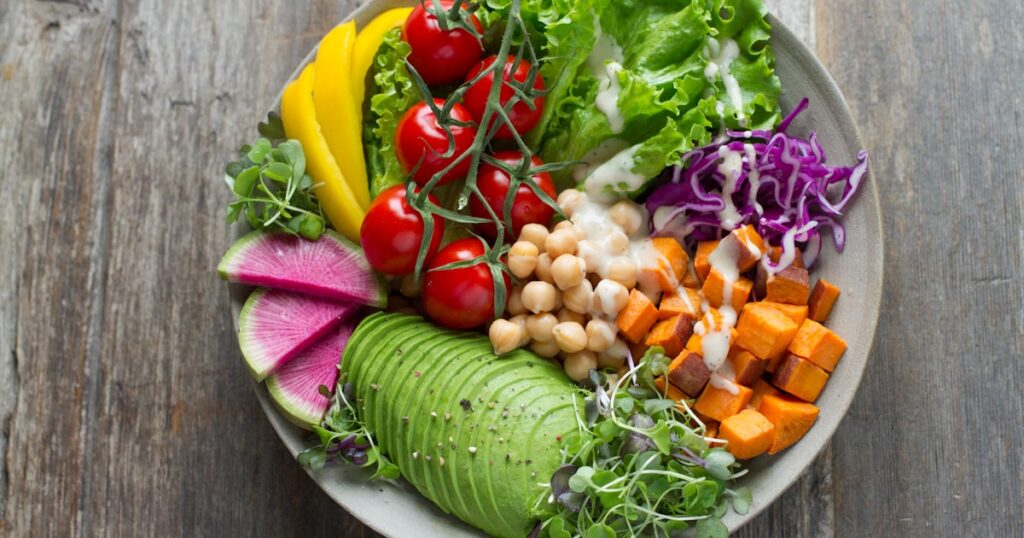
Over 55 million people worldwide live with dementia, with Alzheimer’s disease accounting for approximately 60–70% of cases. While genetic factors play a role, emerging research confirms that lifestyle choices — especially diet — represent some of the most powerful modifiable levers for protecting long-term brain health. A growing body of evidence from 2024 and 2025 studies suggests that plant-centered dietary patterns may significantly reduce the risk of developing Alzheimer’s and other forms of cognitive decline.
What the Research Shows
Multiple systematic reviews and meta-analyses published in leading journals have examined the link between plant-based eating patterns and cognitive decline. A 2025 systematic review published in the Journal of Nutrition, Health & Aging found that 10 out of 11 studies examined showed positive associations between adherence to the MIND diet — a hybrid of the Mediterranean and DASH eating patterns — and reduced risk of dementia and Alzheimer’s disease.
A separate 2026 review in the journal Nutrition found that higher adherence to the Mediterranean diet was associated with a reduced risk or prevalence of Alzheimer’s disease. Researchers also highlighted protective associations with depression and Parkinson’s disease, suggesting plant-rich dietary patterns may broadly support neurological health.
Research published in the Journal of Alzheimer’s Disease in 2025 examined plant-based dietary patterns in middle-aged and older adults and concluded that “plant-based diets may protect against cognitive impairment.” A 22-year longitudinal follow-up study published in Alzheimer’s & Dementia further linked lower dietary inflammatory scores — characteristic of plant-heavy diets — to reduced dementia incidence.
The MIND Diet: Designed for the Brain
The MIND diet (Mediterranean-DASH Intervention for Neurodegenerative Delay) was developed specifically to slow cognitive aging. Unlike general healthy eating guidelines, it identifies specific food groups with the strongest evidence for neuroprotection.
Foods the MIND diet emphasizes include:
- Leafy green vegetables (kale, spinach, collards) — at least six servings per week
- Other vegetables — at least one additional serving daily
- Berries (blueberries, strawberries) — at least twice per week
- Nuts — at least five servings per week
- Olive oil — as the primary cooking fat
- Whole grains — at least three servings per day
- Fish — at least once per week
- Legumes (lentils, chickpeas, beans) — more than four meals per week
Foods the MIND diet recommends limiting include red meat, butter, cheese, pastries, and fried or fast food — all associated with increased neuroinflammation.
A landmark Rush University Medical Center study found that people who closely adhered to the MIND diet had a 53% lower rate of Alzheimer’s disease compared to those who followed it least. Even moderate adherence was associated with a 35% reduced risk — a finding that underscores the value of incremental dietary improvements.
How Plant Foods Protect the Brain
Reducing Neuroinflammation
Chronic, low-grade inflammation in the brain is strongly implicated in Alzheimer’s development. Polyphenols found abundantly in berries, leafy greens, olive oil, and nuts have demonstrated potent anti-inflammatory properties in numerous preclinical and human studies. Flavonoids — especially those concentrated in blueberries and strawberries — appear to cross the blood-brain barrier and directly modulate inflammatory pathways associated with neurodegeneration.
Antioxidant Defense
The brain consumes roughly 20% of the body’s total oxygen supply, making it particularly vulnerable to oxidative stress — a key driver of neuronal damage and cognitive decline. Plant foods are the richest dietary sources of antioxidants, including vitamins C and E, carotenoids, and polyphenols, that help neutralize damaging free radicals. Research suggests that diets high in antioxidant-rich foods are associated with slower cognitive decline and better memory performance in aging adults.
The Gut-Brain Connection
Emerging research highlights the gut-brain axis as a critical pathway through which diet shapes brain health. A 2025 study found that gut microbiome markers may be able to predict cognitive decline years before clinical symptoms appear. Plant-rich diets high in fiber feed beneficial gut bacteria, supporting the production of short-chain fatty acids and neurotransmitter precursors — including serotonin and GABA — that influence mood, memory, and neurological function. Conversely, diets high in ultra-processed foods are associated with gut dysbiosis and increased inflammatory signaling to the brain.
Supporting BDNF Production
Brain-derived neurotrophic factor (BDNF) is often called “fertilizer for the brain” — it supports the survival of existing neurons and encourages the growth of new ones. Research indicates that diets rich in flavonoids, omega-3 fatty acids (found in walnuts and flaxseed), and polyphenols are associated with higher BDNF levels, while diets high in sugar and ultra-processed ingredients appear to suppress this critical neuroprotective protein.
It’s Not Too Late to Start
One of the most encouraging aspects of recent research is the finding that protective effects of plant-based dietary patterns appear to hold even when dietary changes are made in midlife or later. Studies indicate that high-quality plant diets may protect against Alzheimer’s disease even when adopted after middle age, suggesting that shifting food choices at any stage of life could meaningfully reduce cognitive decline risk. Researchers caution, however, that earlier dietary changes are likely to confer greater long-term benefit.
Practical Steps to Protect Your Brain
Research suggests that dramatic dietary overhauls are not required to see benefit. Incremental increases in plant food consumption may meaningfully reduce risk:
- Add at least one additional serving of leafy greens per day — spinach in smoothies, kale in soups, arugula in salads
- Replace refined snack foods with a small handful of walnuts or mixed nuts
- Swap one meat-based meal per week for a legume-based dish (lentil soup, chickpea curry, black bean tacos)
- Choose extra-virgin olive oil over butter or margarine for cooking and dressings
- Include berries — fresh, frozen, or dried with no added sugar — at least twice weekly
- Choose whole grain bread, pasta, and cereals over refined white-flour versions
Consulting a registered dietitian or healthcare provider can help tailor these recommendations to individual health needs and existing medical conditions.
A Dietary Foundation for Cognitive Longevity
The convergence of evidence from longitudinal studies, meta-analyses, and mechanistic research presents a consistent picture: diets that prioritize whole plant foods, minimize ultra-processed options, and emphasize anti-inflammatory nutrients are associated with significantly better brain health outcomes as people age. While no dietary pattern can guarantee protection against Alzheimer’s disease — a complex condition shaped by genetics, environment, and aging — plant-centered eating represents a low-risk, high-benefit strategy that may be among the most evidence-backed nutritional interventions available to support cognitive longevity.
Disclosure: This content is for informational purposes only and is not medical advice. Always consult a qualified healthcare provider before making changes to your health regimen.