
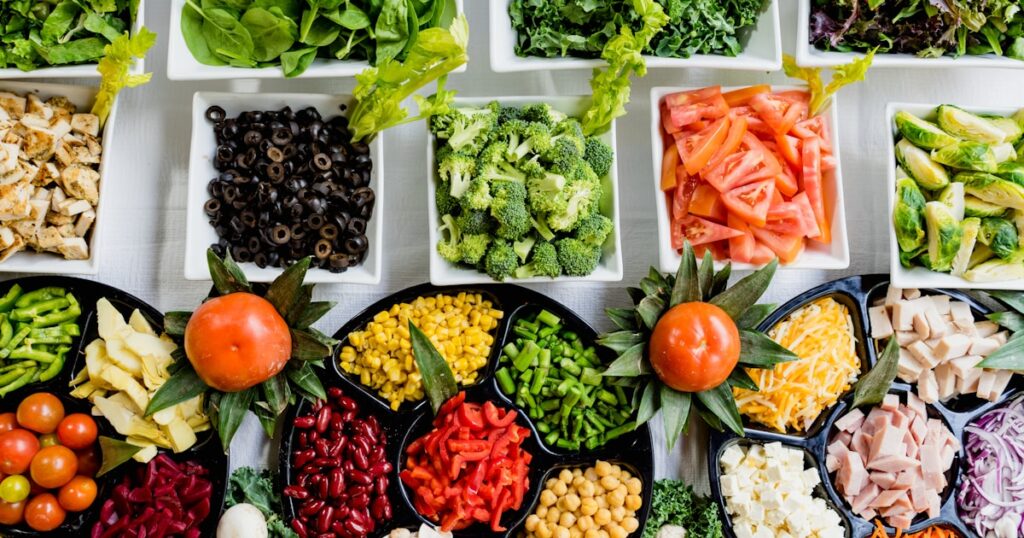
The idea that food affects your mood is more than folk wisdom — it is rapidly becoming one of the most compelling frontiers in modern psychiatry. A growing body of research suggests that what you eat may meaningfully influence your risk of depression, anxiety, and cognitive decline. This emerging discipline, known as nutritional psychiatry, is reshaping how clinicians think about mental health prevention and treatment.
What Is Nutritional Psychiatry?
Nutritional psychiatry is the study of how diet and specific nutrients affect brain function, mood, and mental health outcomes. The evidence base has expanded rapidly over the past decade, with researchers at Harvard Medical School, the Black Dog Institute in Australia, and Deakin University publishing landmark studies demonstrating robust links between dietary patterns and mental health.
Dr. Felice Jacka, a professor at Deakin University and a pioneer in the field, has argued that diet quality is as important to mental health as it is to physical health — a claim that grows harder to dismiss as clinical trial data accumulates.
The SMILES Trial: A Landmark Study
The most cited study in nutritional psychiatry is the SMILES trial (Supporting the Modification of Lifestyle in Lowered Emotional States), published in BMC Medicine in 2017. In this randomized controlled trial, participants with moderate-to-severe depression were assigned either to a Mediterranean-style dietary intervention or to social support sessions over 12 weeks.
The results were striking: 32% of participants in the diet group achieved full remission, compared to just 8% in the social support group. Researchers concluded that improving diet quality may serve as an effective complementary strategy for managing depression alongside conventional treatment.
The Gut-Brain Axis: Serotonin Starts in the Gut
A key mechanism linking diet to mental health is the gut-brain axis — the bidirectional communication network connecting the gastrointestinal tract and the brain via the vagus nerve, immune signaling, and the gut microbiome.
Approximately 90–95% of the body’s serotonin — the neurotransmitter most associated with mood regulation — is produced in the gut, not the brain. A diverse, plant-rich diet tends to support a thriving microbiome, while diets high in processed foods may disrupt it. Research published in Nature Microbiology has identified specific bacterial genera — including Lactobacillus and Bifidobacterium — that are associated with lower rates of depression and anxiety.
Ultra-Processed Foods and Depression Risk
Research increasingly links ultra-processed food consumption to worse mental health outcomes. A large observational study published in JAMA Network Open found that individuals with the highest intake of ultra-processed foods had significantly elevated risk of depression and anxiety compared to those consuming minimal amounts.
Ultra-processed foods — including packaged snacks, fast food, and sugary beverages — are low in fiber, micronutrients, and beneficial fats while being high in refined carbohydrates, trans fats, and artificial additives. These dietary patterns have been linked to increased systemic inflammation, which research suggests may play a role in the development of mood disorders.
Key Nutrients for Brain Health
Nutritional psychiatry research has identified several nutrients that appear particularly important for mental health:
Omega-3 Fatty Acids
EPA and DHA — omega-3s found in fatty fish — are critical structural components of brain cell membranes. Multiple meta-analyses suggest omega-3 supplementation may help reduce symptoms of depression, particularly in individuals with elevated inflammatory markers. The brain is approximately 60% fat by dry weight, and dietary fat quality directly influences how brain cells function.
B Vitamins
Folate (B9) and vitamin B12 are essential for synthesizing neurotransmitters including serotonin, dopamine, and norepinephrine. Research suggests up to 30% of individuals with depression may have folate deficiency. Rich sources include leafy greens, legumes, eggs, and fortified whole grains.
Magnesium and Zinc
Magnesium participates in over 300 enzymatic reactions including those involved in stress response, and low levels are associated with higher rates of anxiety and depression. Zinc, which is critical for neurotransmitter signaling, is consistently found at lower levels in individuals with depression, and research in Biological Psychiatry indicates zinc supplementation may enhance the effectiveness of antidepressant medications in some patients.
Dietary Patterns: The Bigger Picture
Rather than focusing on single nutrients, leading researchers emphasize overall dietary patterns. Studies consistently find that traditional diets — such as the Mediterranean, traditional Japanese, and Norwegian patterns — are associated with lower rates of depression and anxiety compared to Western diets high in processed foods.
A 2019 systematic review and meta-analysis in Molecular Psychiatry examined data from 41 observational studies and found that healthy dietary patterns were associated with significantly lower odds of depression — an effect observed across multiple cultures and continents.
Practical Steps Supported by Research
While nutritional psychiatry is not a replacement for evidence-based psychiatric care, research suggests these dietary shifts may support better mental well-being:
- Increase vegetables, fruits, legumes, and whole grains to support gut microbiome diversity
- Include fatty fish (salmon, mackerel, sardines) 2–3 times per week for omega-3 benefits
- Add fermented foods such as yogurt, kefir, sauerkraut, or kimchi to promote beneficial gut bacteria
- Reduce ultra-processed foods, sugary beverages, and refined carbohydrates
- Ensure adequate intake of B vitamins, zinc, and magnesium through whole food sources
These are patterns already associated with broad health benefits. Sustainable, gradual changes are more likely to provide lasting benefit than drastic overhauls. A registered dietitian or healthcare provider can help tailor any dietary changes to individual needs.
What the Research Still Needs to Establish
Despite promising findings, nutritional psychiatry faces limitations. Most large studies are observational — they show association rather than causation. While trials like SMILES provide proof-of-concept, they are relatively small and short-term. Larger, longer trials are underway to strengthen the evidence base.
Individual variation also matters: gut microbiome composition, genetics, medication use, and lifestyle factors all influence how diet affects mental health. What works well for one person may have minimal impact for another.
The Bottom Line
Nutritional psychiatry is an evidence-based, rapidly growing field supported by research from leading institutions worldwide. While diet is unlikely to replace conventional treatments like therapy and medication, mounting evidence suggests it can meaningfully support mental well-being when approached thoughtfully.
The same dietary patterns associated with better physical health — rich in whole foods, fiber, healthy fats, and fermented foods, and low in ultra-processed ingredients — appear to benefit the brain as well. That may be one of the most practical and empowering messages to emerge from modern health science.
Disclosure: This content is for informational purposes only and is not medical advice. Always consult a qualified healthcare provider before making changes to your health regimen.