
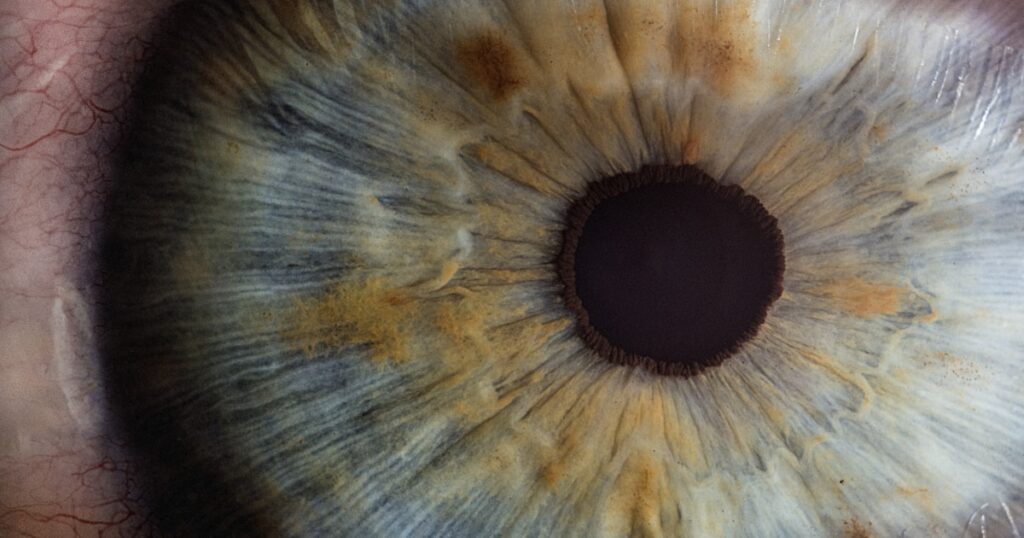
GLP-1 receptor agonists such as semaglutide (Ozempic, Wegovy) and tirzepatide (Mounjaro, Zepbound) have become the most widely prescribed metabolic medications of the past decade. As tens of millions of adults now use them for type 2 diabetes and obesity, researchers are working to map out the full safety profile — including a possible link to a rare but serious eye condition called non-arteritic anterior ischemic optic neuropathy, or NAION.
The signal first drew wide attention in mid-2024, when a Harvard-affiliated team reported an elevated NAION rate among semaglutide users. Since then, larger population studies have produced mixed results, and drug regulators in the United States and Europe have opened formal reviews. Here is what current research suggests — and what it does not.
What Is NAION?
NAION is a sudden loss of vision in one eye caused by reduced blood flow to the optic nerve head. Vision loss is usually painless, appears on waking, and affects the upper or lower half of the visual field. According to the American Academy of Ophthalmology, NAION is the most common cause of acute optic-nerve damage in adults over 50, but it is still uncommon overall — with an estimated incidence of about 2 to 10 cases per 100,000 people per year.
The damage is generally permanent. There is no proven treatment to restore lost vision, which is why any drug that might raise NAION risk draws careful scrutiny.
Who Is Already at Higher Baseline Risk
- Age over 50
- Diabetes
- High blood pressure
- Sleep apnea
- A small, crowded optic disc anatomy sometimes called a “disc at risk”
- Nighttime blood pressure drops
Many people who take GLP-1 medications also have several of these baseline risk factors, which complicates the effort to isolate a drug effect.
The 2024 JAMA Ophthalmology Study
The Harvard-led study published in JAMA Ophthalmology in July 2024 was the first to formally raise the possibility of a semaglutide–NAION link. Researchers at Mass Eye and Ear reviewed six years of records covering 16,827 patients seen in a tertiary neuro-ophthalmology clinic.
They compared patients prescribed semaglutide with matched patients prescribed alternative diabetes or weight-loss medications:
- Among patients with type 2 diabetes, the hazard ratio for NAION with semaglutide was 4.28 (95% CI 1.62–11.29). Cumulative 36-month NAION incidence was 8.9% for semaglutide users versus 1.8% for the comparator group.
- Among patients with overweight or obesity, the hazard ratio was 7.64 (95% CI 2.21–26.36), with a 6.7% versus 0.8% cumulative incidence over 36 months.
The authors were transparent about the study’s limits. The data came from a single specialty referral center, so patients were already at higher-than-average NAION risk. The design was retrospective, case numbers were small, and the confidence intervals were wide. The findings pointed to an association, not proven causation.
Later, Larger Studies Have Been Mixed
Because the initial signal was based on a specialty-clinic population, several research groups have since analyzed much larger real-world databases:
- A Danish nationwide cohort study published in 2025 evaluated more than 400,000 people with type 2 diabetes and reported a modestly elevated relative risk of NAION with GLP-1 use, though the absolute risk remained very small — on the order of a few extra cases per 10,000 patient-years.
- An analysis of a U.S. insurance-claims database found a smaller effect size than the Mass Eye and Ear study and no signal for other retinal or optic-nerve disorders.
- Post-marketing pharmacovigilance reports to the FDA’s FAERS system have shown a disproportionate number of NAION reports among semaglutide users, but such reports cannot establish incidence rates on their own.
Taken together, the current evidence base points to a possible modest increase in NAION risk in some GLP-1 users — most likely in those who already carry vascular risk factors — but the effect size is smaller than the original single-center estimate.
What Regulators Have Said
The European Medicines Agency’s Pharmacovigilance Risk Assessment Committee opened a formal review of semaglutide and NAION in early 2025 and asked marketing authorization holders to submit additional data. The U.S. Food and Drug Administration has similarly acknowledged the safety signal and continues to monitor post-marketing reports. Neither agency has restricted GLP-1 prescribing on the basis of NAION as of the most recent public updates. Product labeling in some markets has been updated to mention the reported association.
How to Weigh Risk and Benefit
GLP-1 receptor agonists have well-documented benefits, including improved glycemic control, meaningful weight loss, reduced cardiovascular events in high-risk populations, and — as demonstrated in recent trials — reduced progression of chronic kidney disease. For most people who meet prescribing criteria, those benefits are substantial.
NAION, even if the relative risk is elevated, remains a rare event. Deciding whether a drug is right for any individual is a clinical conversation, not a headline-driven one. Research suggests a few reasonable steps to discuss with a healthcare provider:
- Share your full eye history. Mention any prior NAION, glaucoma, unexplained vision loss, or a family history of optic-nerve disease before starting a GLP-1.
- Manage vascular risk factors. Blood pressure control, sleep-apnea treatment, and lipid management address several of NAION’s underlying drivers.
- Know the warning symptoms. Sudden, painless loss of vision in one eye — especially loss of the upper or lower visual field — is a medical emergency. Seek urgent ophthalmologic care.
- Do not stop a prescribed medication on your own. Abrupt discontinuation of GLP-1 therapy has its own metabolic and cardiovascular risks. Any change should be made with the prescribing clinician.
The Bottom Line
Studies indicate a possible association between GLP-1 receptor agonists and NAION, first raised by a 2024 JAMA Ophthalmology report and partially supported — at a smaller effect size — by later population data. The absolute risk appears low, and regulators have not restricted these medications. For most eligible patients, the metabolic and cardiovascular benefits still outweigh the potential ophthalmic risk, but people with prior optic-nerve disease or strong risk factors should have an individualized conversation with their care team.
Disclosure: This content is for informational purposes only and is not medical advice. Always consult a qualified healthcare provider before making changes to your health regimen.