
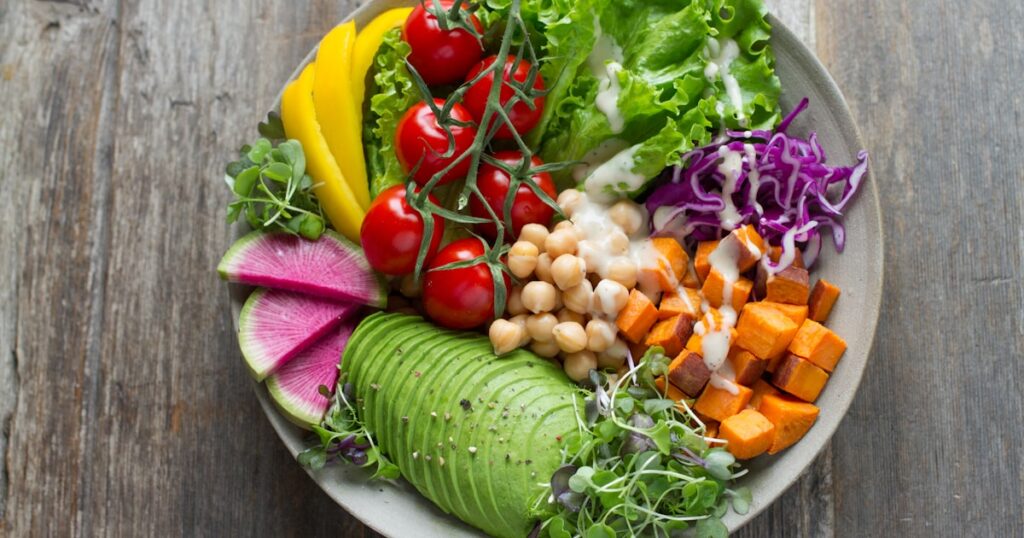
For decades, autoimmune disease research focused almost exclusively on pharmaceutical interventions — drugs that suppress or modulate the immune system. But a landmark initiative from the National Institutes of Health (NIH) signals a major shift: what we eat may be a powerful tool in reshaping how autoimmune conditions develop, flare, and progress.
In March 2026, the NIH awarded 15 scientific teams from across the United States as prize winners in the NOURISH Challenge — short for Nutrition for Our Immune System Health: Autoimmunity Challenge. Each team received a $10,000 cash prize for submitting bold, scientifically rigorous ideas on how dietary interventions could transform autoimmune disease research and care.
Why Autoimmune Disease Demands New Approaches
Autoimmune diseases occur when the immune system mistakenly attacks the body’s own tissues. The list includes well-known conditions such as rheumatoid arthritis, multiple sclerosis, lupus, Crohn’s disease, type 1 diabetes, celiac disease, and psoriasis — along with dozens of less common disorders.
According to NIH’s Office of Autoimmune Disease Research, autoimmune conditions now affect more than 8% of the U.S. population, impacting an estimated 23 to 50 million Americans. Despite this enormous prevalence — and the significant economic and personal burden these diseases place on individuals and families — the role of diet and nutrition in autoimmunity has remained largely underexplored in mainstream medical research.
That gap is precisely what the NOURISH Challenge was designed to close.
What the NOURISH Challenge Set Out to Discover
The NIH invited researchers, clinicians, patients, caregivers, advocacy organizations, and interdisciplinary teams to submit feasible, scalable research concepts that could advance understanding of how dietary patterns influence autoimmune disease. The challenge sought proposals across four major thematic areas:
1. Effectiveness of Dietary Interventions
The largest category explored whether specific therapeutic diets — such as anti-inflammatory diets, Mediterranean-style eating, or elimination diets — could meaningfully reduce disease activity, manage symptoms, or delay disease onset. Winning proposals in this area focused on structured clinical designs that could realistically test dietary protocols in autoimmune patient populations and measure both biological and patient-reported outcomes.
2. Microbiome, Immune, and Multi-Omics Mechanisms
Several winning concepts investigated the biological pathways linking food, the gut microbiome, and immune system behavior. Using cutting-edge tools like proteomics, microbiome sequencing, and multi-omics analysis, these proposals aim to explain why certain foods influence immune activity — not just whether they do. Research suggests that the trillions of microbes living in the human gut play a central role in training and calibrating the immune system, and that dietary changes can significantly alter microbial communities within weeks.
3. Personalized, Data-Driven, and Predictive Nutrition
A growing body of evidence indicates that nutritional responses are highly individual — two people eating the same meal can experience very different effects on blood sugar, inflammation, and immune markers. Proposals in this category harnessed the power of machine learning, wearable sensors, and large-scale health datasets to develop personalized nutrition recommendations tailored to each patient’s unique biology, disease state, and genetic background.
4. Community and Patient-Centered Research Frameworks
Recognizing that patients and communities are not passive subjects but active research partners, winning entries in this category designed studies that integrate patient preferences, lived experience, and community knowledge into the research process. These frameworks are particularly critical for ensuring that dietary interventions are practical, culturally relevant, and sustainable for diverse populations.
The Science Behind Diet and Immune Function
The NOURISH Challenge did not emerge in a vacuum. A growing body of peer-reviewed research has pointed toward diet as a meaningful factor in autoimmune disease for years. Key findings include:
- Mediterranean diet and inflammation: Multiple studies, including research published in Rheumatology and Frontiers in Immunology, suggest that adherence to a Mediterranean-style diet — rich in olive oil, fish, vegetables, legumes, and whole grains — is associated with reduced inflammatory markers and lower disease activity in conditions like rheumatoid arthritis.
- Omega-3 fatty acids: Research indicates that omega-3 polyunsaturated fatty acids, found in fatty fish, walnuts, and flaxseeds, may help modulate immune responses by reducing the production of pro-inflammatory cytokines implicated in autoimmune flares.
- Vitamin D and immune regulation: Vitamin D deficiency has been consistently associated with higher rates of autoimmune disease in epidemiological studies. Research published in JAMA Neurology links low vitamin D levels to a higher risk of multiple sclerosis, while other studies suggest vitamin D plays a direct role in T-cell regulation.
- Gut permeability (“leaky gut”): Some researchers propose that a disrupted intestinal barrier allows bacterial fragments to enter the bloodstream, triggering immune activation. Dietary fiber, fermented foods, and probiotic-rich diets may support gut barrier integrity and reduce systemic inflammation.
- Gluten and celiac disease: Celiac disease is a well-established example of dietary intervention as primary treatment — complete gluten elimination can reverse intestinal damage and resolve symptoms in most patients.
The Gut-Immune Axis: A Central Theme
Perhaps the most compelling thread running through the NOURISH Challenge’s winning submissions is the gut-immune axis — the complex, bidirectional communication network between the gastrointestinal tract and the immune system.
An estimated 70 to 80% of the body’s immune cells reside in or near the gut. The gut microbiome — the vast community of bacteria, fungi, viruses, and other microorganisms living in the digestive tract — appears to profoundly shape immune tolerance and reactivity. Studies indicate that people with autoimmune diseases often have reduced microbiome diversity, a condition associated with increased immune dysregulation.
Dietary choices directly influence microbiome composition. High-fiber diets, for instance, feed beneficial bacterial species that produce short-chain fatty acids (SCFAs) — compounds shown to dampen inflammatory immune responses. Conversely, ultra-processed diets low in fiber may deplete beneficial species and favor pro-inflammatory microbes.
What This Means for People Living with Autoimmune Conditions
While the NOURISH Challenge represents a call for future research rather than definitive treatment guidelines, it reflects a broader shift in medical thinking — one that increasingly views food not merely as fuel, but as a potentially powerful modulator of immune function.
For individuals living with autoimmune conditions, nutrition experts and rheumatologists increasingly recommend a few evidence-informed dietary strategies, pending always on individual health status:
- Prioritizing whole, minimally processed foods with a variety of colorful fruits and vegetables
- Incorporating omega-3-rich foods like salmon, sardines, walnuts, and chia seeds
- Building a fiber-rich diet to support gut microbiome health
- Minimizing ultra-processed foods, refined sugars, and industrial seed oils, which may promote systemic inflammation
- Working with a registered dietitian or functional medicine physician to explore personalized dietary approaches
It is important to note that no dietary pattern has yet been approved as a clinical treatment for autoimmune disease. Research in this area, while promising, is still emerging. Individuals with autoimmune conditions should consult their healthcare providers before making significant dietary changes, as some interventions may interact with medications or have unintended effects on specific conditions.
Looking Ahead
The NIH’s decision to fund 15 research teams through the NOURISH Challenge signals serious institutional commitment to understanding diet’s role in autoimmunity — a field that has historically been underfunded relative to its potential impact.
As these research concepts move into full study design and, eventually, clinical trials, the medical community may be on the cusp of a new era in autoimmune care — one where the dinner plate becomes as important as the prescription pad. Studies indicate that integrating nutritional science with immunology could open new, patient-driven avenues for managing some of medicine’s most complex and persistent diseases.
Disclosure: It is for informational purposes only and is not medical advice. Always consult a qualified healthcare provider before making changes to your health regimen.