

How Your Brain Knows When to Stop Eating
Scientists discovered a hidden chain of brain cells that signals fullness — and it could reshape how we treat obesity and eating disorders.
How Your Brain Knows When to Stop Eating Read More »
Latest medical research, clinical studies, and health discoveries
Scientists discovered a hidden chain of brain cells that signals fullness — and it could reshape how we treat obesity and eating disorders.
How Your Brain Knows When to Stop Eating Read More »

New research reveals GLP-1 drugs like Ozempic and Wegovy may protect the heart, brain, and more — here’s what science now shows.
GLP-1 Drugs Beyond Weight Loss: What New Research Reveals Read More »

New ACC.26 research shows morning exercisers are 30% less likely to develop type 2 diabetes and 35% less likely to be obese. Here’s what the science reveals.
Morning Exercise May Cut Diabetes Risk by 30%, Study Shows Read More »
New research suggests psilocybin-assisted therapy achieves smoking quit rates 4–6x higher than nicotine patches. Here’s what the science says.
Psilocybin May Be 6x More Effective Than Nicotine Patches Read More »
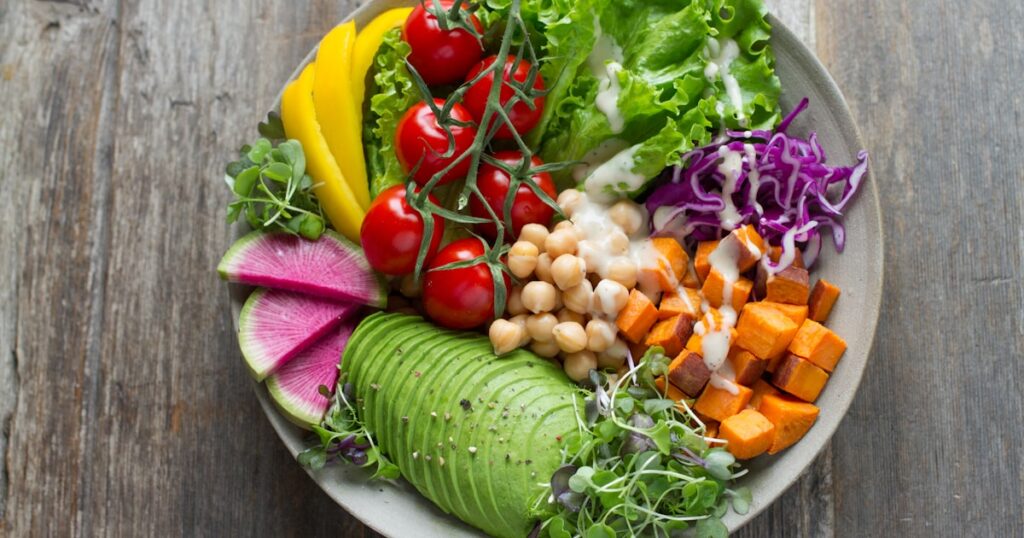
NIH’s NOURISH Challenge awarded 15 research teams studying how diet and nutrition can prevent and manage autoimmune diseases. Here’s what the science shows.
Diet and Autoimmune Disease: What NIH Research Reveals Read More »

NIH-funded research reveals how chronic gut inflammation leaves lasting epigenetic marks in stem cells, elevating colorectal cancer risk long after healing.
Gut Inflammation May Raise Colorectal Cancer Risk for Years Read More »
New research suggests higher vitamin D levels may be associated with lower tau protein, a key Alzheimer’s biomarker. Here’s what the science shows.
Vitamin D Linked to Lower Alzheimer’s Brain Markers Read More »
In a discovery that could reshape pain management, researchers at the National Institutes of Health have identified a synthetic opioid compound that…
NIH Discovers Pain Reliever With Minimal Addiction Risk Read More »