
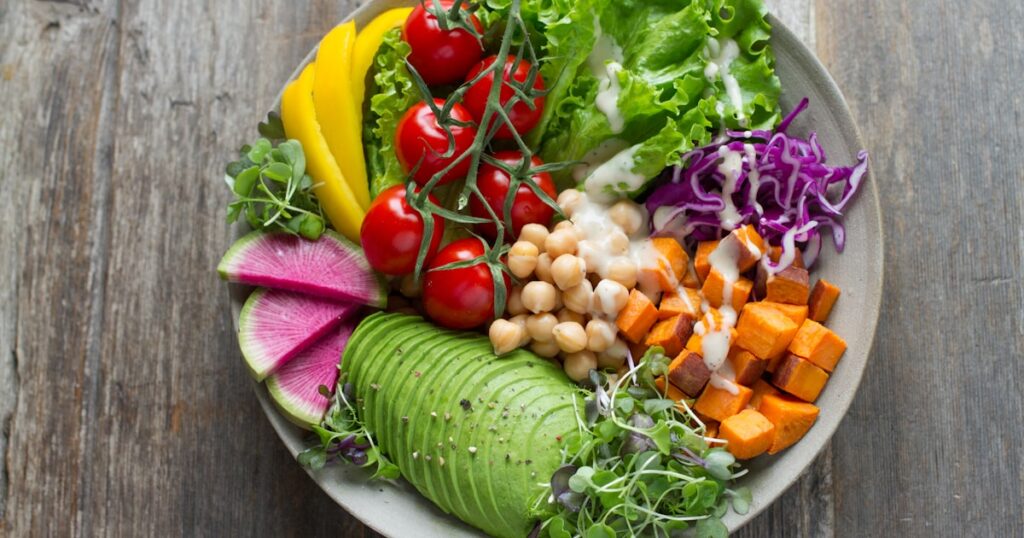
Chronic inflammation is now recognized as a root driver of many of the world’s most common diseases — from heart disease and type 2 diabetes to Alzheimer’s, certain cancers, and autoimmune conditions. Yet emerging research consistently shows that what you eat can either fan the flames of inflammation or help extinguish them. Choosing the right foods may be one of the most powerful tools you have for long-term health.
What Is Chronic Inflammation?
Inflammation is your immune system’s natural response to injury or infection. Acute inflammation — the redness and swelling after a cut — is protective and temporary. Chronic low-grade inflammation, however, is different: it simmers quietly in the background, often without obvious symptoms, slowly damaging tissues and contributing to disease over years or decades.
Research published in Nature Medicine estimates that up to 50% of all deaths worldwide are attributable to inflammation-related diseases. Diet is one of the most modifiable contributors to this inflammatory state — a finding that has driven an explosion of scientific interest in anti-inflammatory eating patterns.
The Top Anti-Inflammatory Foods
Science points to several categories of foods that reliably lower inflammatory markers such as C-reactive protein (CRP), interleukin-6 (IL-6), and tumor necrosis factor-alpha (TNF-α).
1. Fatty Fish
Salmon, sardines, mackerel, and anchovies are among the richest sources of omega-3 fatty acids — specifically EPA and DHA. These long-chain omega-3s are converted in the body into compounds called resolvins and protectins that actively resolve inflammation at the cellular level. A 2022 meta-analysis in JAMA Network Open found that higher omega-3 intake was associated with significantly lower CRP levels and reduced risk of cardiovascular events. Nutrition scientists generally recommend consuming fatty fish at least twice per week.
2. Berries
Blueberries, strawberries, raspberries, and blackberries are packed with anthocyanins — plant pigments with potent antioxidant and anti-inflammatory properties. Studies from Harvard’s T.H. Chan School of Public Health have linked regular berry consumption to lower levels of inflammatory biomarkers and a reduced risk of heart disease. Berries also contain vitamin C and quercetin, compounds that support immune modulation.
3. Leafy Greens
Spinach, kale, Swiss chard, and collard greens are rich in vitamin K, folate, and a range of antioxidants including lutein and zeaxanthin. Research suggests that vitamin K plays a direct role in regulating inflammatory pathways. A study published in the American Journal of Clinical Nutrition found that higher leafy green intake was associated with lower IL-6 levels — a key marker of systemic inflammation.
4. Turmeric and Ginger
These ancient spices have robust modern science behind them. Curcumin, the active compound in turmeric, has been shown in numerous clinical trials to suppress NF-κB — a protein complex that acts as a master switch for inflammatory gene expression. A 2017 review in Foods concluded that curcumin demonstrates “significant anti-inflammatory effects” comparable to some over-the-counter medications, without the same side-effect profile. Ginger contains gingerols and shogaols, which studies indicate inhibit similar inflammatory pathways and may reduce muscle soreness and joint pain.
For maximum absorption, research suggests consuming turmeric with black pepper, which contains piperine — a compound that can increase curcumin bioavailability by up to 2,000%.
5. Extra-Virgin Olive Oil
The cornerstone of the Mediterranean diet, extra-virgin olive oil (EVOO) contains oleocanthal — a natural compound with anti-inflammatory properties similar to ibuprofen, according to research from the Monell Chemical Senses Center. EVOO also provides oleic acid and polyphenols that inhibit the production of pro-inflammatory enzymes COX-1 and COX-2. Large-scale studies including PREDIMED — one of the most rigorous nutrition trials ever conducted — found that a Mediterranean diet enriched with EVOO significantly reduced markers of cardiovascular inflammation.
6. Nuts and Seeds
Walnuts stand out for their high ALA omega-3 content. Almonds, Brazil nuts, and flaxseeds also provide anti-inflammatory vitamin E, magnesium, and selenium. A study in the American Journal of Clinical Nutrition found that replacing refined carbohydrates with nuts was associated with 12–15% reductions in CRP. Flaxseeds and chia seeds are additionally rich in fiber that feeds beneficial gut bacteria, which in turn produce short-chain fatty acids (SCFAs) with systemic anti-inflammatory effects.
7. Tomatoes
Tomatoes — particularly cooked tomatoes — are one of the richest dietary sources of lycopene, a carotenoid antioxidant. Lycopene has been shown to reduce oxidative stress and lower inflammatory markers, with research from the NIH linking higher lycopene intake to reduced risk of prostate cancer and cardiovascular disease. Cooking tomatoes in olive oil increases lycopene absorption significantly.
8. Green Tea
Green tea is abundant in epigallocatechin gallate (EGCG), a catechin that research identifies as one of the most bioactive anti-inflammatory compounds in the food supply. Studies published in the European Journal of Clinical Nutrition indicate that regular green tea consumption is associated with lower CRP, reduced risk of type 2 diabetes, and improved endothelial (blood vessel) health.
Foods That Drive Inflammation
Understanding what to eat is only half the picture. Research consistently links these dietary patterns to elevated inflammation:
- Ultra-processed foods: High in refined carbohydrates, seed oils, and additives that disrupt the gut microbiome and spike inflammatory cytokines.
- Added sugars: Drive spikes in blood glucose that trigger oxidative stress and activate inflammatory pathways.
- Trans fats: Still present in some commercially fried and baked goods, trans fats are among the most pro-inflammatory compounds in the modern diet.
- Refined vegetable oils: High omega-6 to omega-3 ratios (from corn, soybean, and sunflower oils) can shift the body toward a pro-inflammatory state when consumed in excess.
- Excessive alcohol: Disrupts gut barrier function, allowing bacterial endotoxins to enter the bloodstream and trigger systemic inflammation.
The Anti-Inflammatory Diet Pattern
Individual foods matter, but emerging research emphasizes that the overall dietary pattern is what drives the most measurable change. The Dietary Inflammatory Index (DII) — a validated scoring tool developed by University of South Carolina researchers — assigns pro- and anti-inflammatory scores to dozens of dietary components and has been used in over 3,000 published studies. Consistently, high DII scores (more pro-inflammatory diets) are associated with greater all-cause mortality, cancer risk, and cardiovascular events.
Diets that score favorably on the DII share common features: high intake of vegetables, fruits, whole grains, legumes, nuts, seeds, fatty fish, and olive oil; low intake of processed meats, added sugars, and refined carbohydrates. This aligns closely with the Mediterranean and MIND diets, both of which have the strongest evidence bases among current dietary frameworks.
Practical Tips to Get Started
Shifting toward an anti-inflammatory diet doesn’t require an overnight overhaul. Research suggests even modest, consistent changes can meaningfully reduce inflammatory markers within weeks:
- Add a handful of berries to breakfast most days.
- Swap refined seed oils for extra-virgin olive oil in cooking and dressings.
- Include fatty fish twice a week; on other days, consider walnuts or flaxseed as omega-3 sources.
- Add turmeric and black pepper to soups, stews, and scrambled eggs.
- Aim for at least two servings of leafy greens daily.
- Replace sweetened beverages with green tea.
- Read ingredient labels and minimize ultra-processed snacks and packaged foods.
Small, stackable habits — rather than extreme dietary restrictions — tend to produce the most sustainable reductions in chronic inflammation over time.
Disclosure: This content is for informational purposes only and is not medical advice. Always consult a qualified healthcare provider before making changes to your health regimen.