Quercetin is one of the most studied plant polyphenols in nutrition science. Found naturally in red onions, apples, capers, and berries, this yellow pigment has earned attention from researchers exploring how diet shapes inflammation, allergic responses, and cardiovascular risk. Sales of quercetin supplements have surged in recent years as consumers look for natural alternatives to over-the-counter antihistamines and anti-inflammatory drugs.
But what does the actual research say? Here is what current evidence suggests about quercetin’s potential benefits, where the science is strongest, and what to keep in mind before adding it to your routine.
What is quercetin?
Quercetin is a flavonoid, a class of plant compounds that give many fruits and vegetables their vivid colors. According to the Linus Pauling Institute at Oregon State University, quercetin is among the most abundant flavonoids in the human diet, with average daily intake from food estimated between 10 and 40 milligrams in Western populations.
The richest dietary sources include:
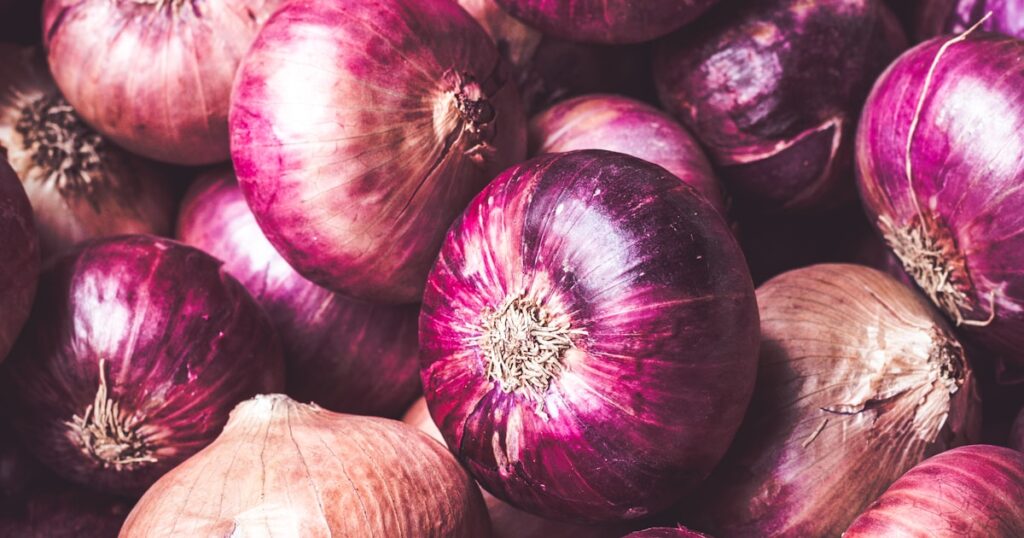
- Red and yellow onions (especially the outer rings)
- Apples with skin on
- Capers and caperberries
- Kale, broccoli, and leafy greens
- Berries such as cranberries, blueberries, and elderberries
- Black and green tea
- Red wine and dark grapes
In supplement form, quercetin is typically sold as quercetin dihydrate or paired with bromelain or vitamin C to improve absorption.
Quercetin and allergies
Quercetin is often called a “natural antihistamine,” and laboratory studies offer some basis for that label. Research published in Molecules shows that quercetin can stabilize mast cells, the immune cells that release histamine during allergic reactions, and reduce the production of inflammatory cytokines linked to seasonal allergies.
A 2020 review in the International Journal of Molecular Sciences concluded that quercetin demonstrates antihistaminic and anti-inflammatory effects in animal and cell models, with potential applications in allergic rhinitis, asthma, and atopic dermatitis. However, the authors noted that high-quality human trials remain limited and that bioavailability is a significant barrier — most ingested quercetin is poorly absorbed.
Some clinical studies have explored quercetin combined with other nutrients. A small randomized trial in adults with seasonal allergies suggested that a quercetin-containing formula reduced symptom severity compared with placebo, but larger trials are needed before quercetin can be recommended as a standalone allergy treatment.
Anti-inflammatory effects
Chronic low-grade inflammation is a recognized driver of conditions ranging from heart disease to diabetes. Quercetin has been studied for its ability to dampen this inflammatory signaling.
A meta-analysis published in Phytotherapy Research pooled data from multiple randomized controlled trials and found that quercetin supplementation significantly reduced circulating levels of C-reactive protein (CRP), a key marker of systemic inflammation. The effect was most pronounced at doses above 500 milligrams per day and in participants with elevated baseline inflammation.
Researchers believe quercetin works partly by inhibiting NF-kB, a master regulator of inflammatory gene expression, and by neutralizing reactive oxygen species that damage cells. These mechanisms have made it a candidate of interest in studies of arthritis, metabolic syndrome, and recovery from intense exercise.
Heart and blood pressure
The cardiovascular evidence for quercetin is among the strongest. A meta-analysis in the Journal of the American Heart Association reviewed seven randomized controlled trials and found that quercetin supplementation lowered systolic blood pressure by an average of about 3 mmHg and diastolic blood pressure by about 2 mmHg. The effect was most consistent at doses of 500 milligrams or more daily, sustained for at least eight weeks.
While a few millimeters of mercury may seem small, the U.S. Centers for Disease Control and Prevention notes that population-level reductions of even 2 to 5 mmHg can meaningfully lower stroke and heart attack rates over time.
Quercetin may also support healthier cholesterol patterns. Some trials have observed modest reductions in LDL cholesterol and triglycerides, although results have been mixed and likely depend on dose, formulation, and baseline cardiovascular risk.
Immunity and viral defense
During the COVID-19 pandemic, interest in quercetin as an immune supporter surged. Laboratory studies suggested that quercetin can interfere with how certain viruses replicate, and that it acts as a zinc ionophore — a compound that helps zinc enter cells, where zinc itself plays an antiviral role.
However, clinical evidence in humans remains preliminary. A small randomized trial published in 2021 reported that early administration of a quercetin-based formula in adults with mild COVID-19 was associated with shorter symptom duration and lower hospitalization rates, but the study was limited in size and design. Larger trials have not consistently replicated these findings, and the National Institutes of Health does not currently recommend quercetin for the prevention or treatment of viral illness.
Exercise recovery
Athletes and weekend warriors have explored quercetin for endurance and recovery. A 2011 systematic review in the British Journal of Sports Medicine concluded that quercetin produced a small but statistically significant improvement in endurance exercise capacity, though the practical benefit was modest. More recent research suggests quercetin may help reduce post-exercise oxidative stress and inflammation, supporting faster recovery, particularly when combined with vitamin C.
How much, and from food or supplements?
Most experts agree that food is the best foundation. A diet rich in onions, apples, berries, tea, and leafy greens delivers quercetin alongside fiber, vitamin C, and other polyphenols that work synergistically. The Mediterranean dietary pattern, which features many of these foods, is consistently linked with lower cardiovascular and inflammatory disease risk.
For supplements, doses studied in clinical trials typically range from 250 to 1,000 milligrams per day, often split into two servings to improve absorption. Quercetin is generally well tolerated, but possible side effects include headache, tingling, or stomach upset at higher doses.
Quercetin can also interact with certain medications, including blood thinners, blood pressure drugs, and some antibiotics and chemotherapy agents. Anyone taking prescription medication, who is pregnant or breastfeeding, or who has kidney disease should consult a healthcare provider before starting a quercetin supplement.
Bottom line
Quercetin sits at an interesting intersection of nutrition science and natural medicine. Research supports modest but real benefits for blood pressure and systemic inflammation, with promising signals for allergies, immunity, and exercise recovery that need larger human trials to confirm. The strongest, lowest-risk strategy is to build a colorful, plant-rich diet that delivers quercetin alongside other beneficial compounds. Supplements may be reasonable for some people but are not a substitute for the broader dietary patterns that protect health.
Disclosure: This content is for informational purposes only and is not medical advice. Always consult a qualified healthcare provider before making changes to your health regimen.