
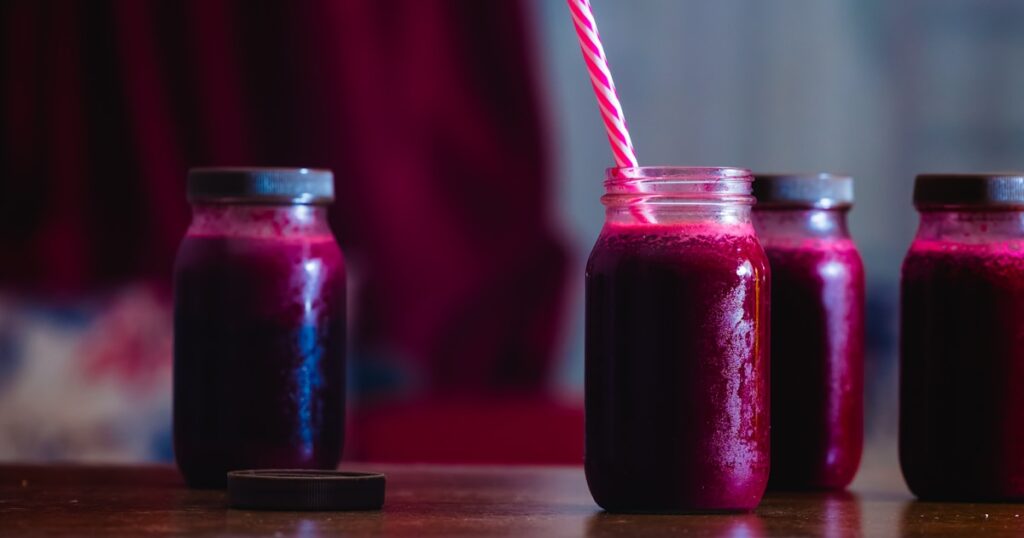
Once dismissed as an old-fashioned root vegetable, the humble beet is enjoying a scientific renaissance. Cardiologists, sports physiologists, and longevity researchers have spent the past decade dissecting why a simple glass of beetroot juice can drop blood pressure within hours, help endurance athletes shave seconds off their times, and boost blood flow to the aging brain. The active ingredient behind these effects is not a vitamin or antioxidant in the usual sense — it is dietary nitrate, a naturally occurring compound that the body converts into nitric oxide, a signaling molecule that relaxes blood vessels and influences nearly every organ system.
The Nitrate-to-Nitric-Oxide Pathway
Beets are one of the richest dietary sources of inorganic nitrate, alongside leafy greens like arugula, spinach, and rocket. When you drink beetroot juice, bacteria in the mouth begin converting nitrate to nitrite. The nitrite is then transformed into nitric oxide (NO) in the stomach and blood vessels. Nitric oxide signals the smooth muscle in artery walls to relax, widening the vessel and lowering pressure — the same mechanism targeted by some prescription cardiovascular drugs, though through a different route.
Research published in Hypertension, a journal of the American Heart Association, has consistently shown that this pathway is highly responsive to a single dose. Peak blood nitrite levels generally occur two to three hours after drinking concentrated beet juice, and effects can persist for up to 24 hours.
Blood Pressure: The Most Robust Finding
The strongest evidence for beetroot juice involves blood pressure regulation. A meta-analysis published in the Journal of Nutrition pooled data from 22 randomized controlled trials and found that beetroot juice consumption was associated with a statistically significant reduction in systolic blood pressure of roughly 4 to 5 mmHg in adults with elevated readings. Diastolic reductions were smaller but still meaningful.
To put that in context, the American Heart Association notes that a sustained 5 mmHg drop in systolic pressure across a population is associated with about a 14 percent lower risk of stroke and a 9 percent lower risk of coronary heart disease. The effect tends to be larger in people whose pressure is already high and smaller in those with normal readings.
Exercise Performance and Endurance
Athletes and recreational exercisers have embraced beet juice for a different reason: it appears to reduce the oxygen cost of exercise. Studies from the University of Exeter, where much of the foundational research was conducted, found that participants who drank nitrate-rich beet juice before cycling tests required less oxygen to sustain the same workload, effectively making exercise feel easier.
A review in Sports Medicine reported that dietary nitrate supplementation improved time-trial performance in events lasting roughly 5 to 30 minutes, with the largest benefits in moderately trained individuals. Highly elite athletes show smaller and less consistent gains, possibly because their nitric oxide systems are already finely tuned. Most positive studies used about 6 to 8 millimoles of nitrate, equivalent to a small shot of concentrated beet juice or two cups of the standard variety.
The Brain Connection
One of the more intriguing areas of research involves brain blood flow. As people age, blood vessels stiffen and perfusion to brain regions involved in memory and executive function declines. A pilot study published in Nitric Oxide used MRI to show that older adults who drank beet juice with a high-nitrate breakfast had greater blood flow to the frontal lobes compared with a placebo group.
While these early findings are promising, researchers caution that improved blood flow on a scan does not automatically translate to better thinking or lower dementia risk. Larger, longer trials are still needed before beet juice can be considered a cognitive intervention.
Heart Health Beyond Blood Pressure
Nitric oxide does more than relax arteries. It also helps prevent platelets from clumping inappropriately, reduces inflammation in vessel walls, and may improve the function of the endothelium — the thin lining of cells inside blood vessels. Research suggests that regular dietary nitrate intake from vegetables is associated with lower rates of cardiovascular events, although it is difficult to isolate beets specifically from an overall vegetable-rich diet.
How Much, and What Form?
Most positive trials used about 250 to 500 milliliters of regular beetroot juice or a 70-milliliter concentrated shot. The active ingredient is heat-stable, so cooked beets, pickled beets, and beet powder all contribute nitrate, though juice tends to be the most concentrated form. Eating whole beets also delivers fiber, folate, manganese, and betalain pigments that act as antioxidants.
A few practical tips emerge from the research. Using antibacterial mouthwash within a few hours of drinking beet juice can blunt the blood pressure effect because it kills the oral bacteria that convert nitrate to nitrite. Spreading intake across the day, rather than consuming a large dose at once, may help maintain steadier nitric oxide availability.
Who Should Be Cautious
Beets are generally safe, but a few considerations warrant attention. People with a history of kidney stones, particularly calcium oxalate stones, should know that beets are high in oxalates and may want to moderate intake. Those taking blood pressure medications, nitrates for angina, or PDE5 inhibitors should consult their healthcare provider, since additive effects on blood pressure are possible. Beeturia — pink or red urine — is harmless and reflects pigment excretion rather than a problem.
Where Beetroot Juice Fits
Beetroot juice is not a replacement for prescribed treatments, structured exercise, or a balanced diet. But the research is unusually consistent for a food: it does what its proponents claim, the mechanism is well understood, and the side effect profile is mild. For most healthy adults, incorporating beets or beet juice as one part of a vegetable-rich eating pattern is a low-cost way to support cardiovascular health backed by genuine clinical evidence.
As nutrition researchers continue to map the nitrate–nitric oxide pathway, the broader lesson may be even more important than beets themselves: many of the most powerful tools for vascular health come not from supplements but from ordinary vegetables eaten regularly.
Disclosure: This content is for informational purposes only and is not medical advice. Always consult a qualified healthcare provider before making changes to your health regimen.