
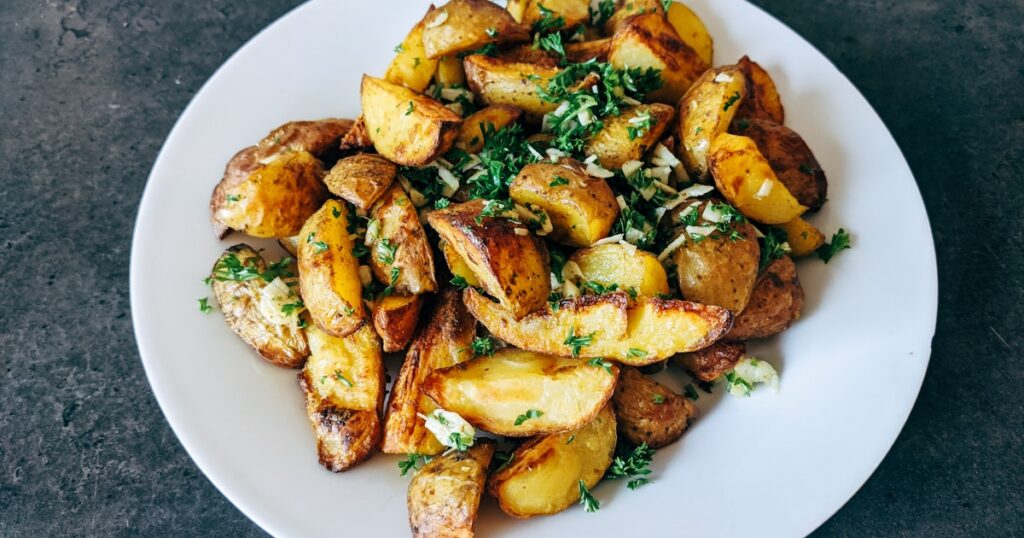
If you have ever heard nutritionists say to cook your rice or potatoes a day ahead and eat them chilled, the science behind it has a name: resistant starch. Once dismissed as a cooking quirk, this overlooked carbohydrate is now linked in peer-reviewed research to improved insulin sensitivity, a more diverse gut microbiome, and longer-lasting fullness.
Most carbohydrates break down into glucose in the small intestine. Resistant starch does not. It slips past digestion almost untouched and arrives in the colon, where trillions of bacteria use it as fuel. The result is a small dietary shift with outsized effects on metabolic and digestive health.
What Is Resistant Starch?
Resistant starch is a category of starch that resists digestion in the small intestine and ferments in the large intestine, behaving more like soluble fiber than traditional starch. According to a review in the American Journal of Clinical Nutrition, fermentation by colonic microbes produces short-chain fatty acids (SCFAs), especially butyrate, which is the preferred fuel for the cells lining the colon.
Researchers classify resistant starch into four types:
- Type 1: Physically locked inside intact grains, seeds, and legumes.
- Type 2: Found in raw potatoes, unripe (green) bananas, and uncooked plantains.
- Type 3: Formed when starchy foods like rice, potatoes, oats, or pasta are cooked and then cooled, a process called retrogradation.
- Type 4: Chemically modified starch used in some processed foods.
The cooking-and-cooling effect is particularly interesting because it lets the same food deliver more resistant starch with no recipe changes, simply by chilling leftovers before eating.
Why the Gut Loves It
Diets high in resistant starch reshape the gut microbiome in measurable ways. Research published in Nature Metabolism reported that a resistant starch intervention shifted bacterial composition toward species associated with reduced inflammation and improved metabolic markers within weeks. Other clinical trials have found increased populations of Bifidobacterium and Ruminococcus bromii, both linked to a healthier digestive environment.
The downstream effects of those bacterial shifts may matter even more than the bacterial counts themselves. The butyrate produced during fermentation:
- Strengthens the intestinal barrier, which may reduce the kind of low-grade inflammation associated with metabolic disease.
- Provides energy to colonocytes, the cells lining the colon.
- May play a role in regulating immune responses in the gut, according to research summarized by the National Institutes of Health.
Blood Sugar and Insulin Sensitivity
One of the most consistent findings in resistant starch research is its effect on glucose metabolism. A frequently cited study in Diabetes Care reported that consuming roughly 15 to 30 grams of resistant starch daily for four weeks was associated with up to a 33 to 50 percent improvement in insulin sensitivity in some participants.
Resistant starch also appears to produce a “second meal effect”: eating it at one meal can blunt the blood sugar response at the next meal, even hours later. This effect may be especially useful for people with insulin resistance, prediabetes, or polycystic ovary syndrome, though individuals with these conditions should review any dietary changes with their healthcare provider.
Appetite, Weight, and Energy Density
Because resistant starch is fermented rather than fully absorbed, it contributes fewer calories per gram than digestible starch, roughly 2 calories per gram compared with 4. Studies indicate that meals containing resistant starch increase satiety hormones such as peptide YY and GLP-1, the same hormone family targeted by newer weight-loss medications.
In practical terms, that may translate to feeling full longer after a meal of chilled potato salad or a bean-based dish than after the same calories from white rice. Researchers caution that the effect is modest on its own, but it stacks meaningfully with overall fiber and protein intake.
Easy Ways to Eat More
You do not need supplements to benefit from resistant starch. Most people can comfortably reach 15 to 20 grams per day through whole foods. Simple strategies include:
- Cook and cool: Make rice, pasta, or potatoes a day ahead and store in the fridge. Eating them cold (in salads or grain bowls) preserves the most resistant starch, but reheating still retains a meaningful share.
- Choose legumes often: Lentils, chickpeas, black beans, and kidney beans are among the densest natural sources.
- Try green bananas or plantains: Less ripe fruit contains more type 2 resistant starch.
- Add rolled or steel-cut oats: Especially when soaked overnight rather than fully cooked.
- Use whole grains: Sorghum, barley, and intact wheat berries deliver type 1 resistant starch.
Some people experiment with raw potato starch as a concentrated source. Studies suggest about a tablespoon can deliver 8 grams of resistant starch, but it can also cause significant gas and bloating in people who increase intake too quickly.
Possible Downsides
Like other fermentable fibers, resistant starch can cause temporary bloating, gas, or changes in bowel habits, especially when intake jumps suddenly. Health experts generally recommend increasing intake gradually over one to two weeks to give the gut microbiome time to adapt.
People with conditions such as irritable bowel syndrome, small intestinal bacterial overgrowth (SIBO), or active inflammatory bowel disease may react differently to fermentable carbohydrates. Research suggests benefits in many cases, but a registered dietitian or gastroenterologist can help tailor the approach.
The Takeaway
Resistant starch is a quiet workhorse in the modern nutrition conversation. It does not require buying a new supplement or following a restrictive plan. By eating more legumes, chilled grains, and slightly underripe fruit, most people can add a meaningful dose to their day, and research suggests the gut microbiome, blood sugar response, and satiety pathways all respond.
As studies continue to map the connection between gut microbes and chronic disease risk, resistant starch is emerging as one of the simplest dietary levers available. The next time you batch-cook a pot of rice or potatoes, the leftovers in your fridge may be doing more for your health than the fresh version on your plate.
Disclosure: This content is for informational purposes only and is not medical advice. Always consult a qualified healthcare provider before making changes to your health regimen.