
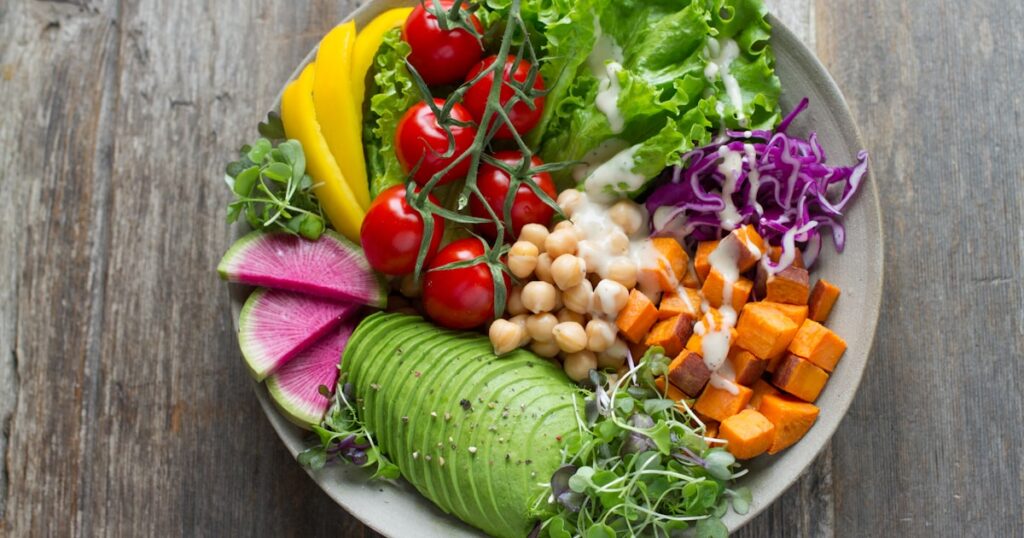
If the Mediterranean diet is the gold standard for heart health and the DASH diet was designed to lower blood pressure, the MIND diet tries to do something different: protect the aging brain. Developed by the late nutritional epidemiologist Dr. Martha Clare Morris at Rush University Medical Center, the MIND diet (Mediterranean-DASH Intervention for Neurodegenerative Delay) singles out the specific foods most strongly linked to slower cognitive decline in observational studies. Two decades of research and a recent randomized trial now offer a clearer picture of what the diet can — and cannot — do.
What Is the MIND Diet?
The MIND diet draws elements from both Mediterranean and DASH eating patterns, then refines them based on data linking individual food groups to dementia risk. It identifies 10 brain-healthy food groups to emphasize and 5 food groups to limit, with weekly serving targets rather than rigid daily rules.
Foods to Emphasize
- Leafy green vegetables — at least 6 servings per week (spinach, kale, collards, romaine)
- Other vegetables — at least 1 serving daily
- Berries — 2 or more servings per week, with blueberries and strawberries singled out in the research
- Nuts — 5 servings per week
- Whole grains — 3 servings per day
- Fish — at least once per week
- Poultry — twice per week
- Beans and legumes — more than 3 servings per week
- Olive oil — as the primary cooking fat
- Wine — one glass per day (optional; recent evidence has moved away from any-alcohol recommendations, discussed below)
Foods to Limit
- Red meat — fewer than 4 servings per week
- Butter and stick margarine — less than 1 tablespoon per day
- Cheese — less than 1 serving per week
- Pastries and sweets — fewer than 5 servings per week
- Fried and fast food — less than 1 serving per week
The Observational Evidence
The diet’s reputation rests on a series of analyses from the Rush Memory and Aging Project, a long-running cohort of older adults in the Chicago area. The original 2015 study, published in Alzheimer’s & Dementia, followed 923 participants for an average of 4.5 years. Those who adhered most closely to the MIND diet showed a 53 percent lower risk of Alzheimer’s disease compared with the lowest-adherence group; even moderate adherence was associated with a 35 percent lower risk.
A separate analysis of the same cohort, published in Neurology, suggested that high MIND-diet adherence was associated with a cognitive age roughly 7.5 years younger than low adherence. Subsequent observational work from the Women’s Health Initiative Memory Study, the Nurses’ Health Study, and European cohorts has broadly reproduced the direction of these findings, though effect sizes vary.
The 2023 Randomized Trial: A Reality Check
Observational studies cannot prove cause and effect — people who eat MIND-style diets tend to differ from those who don’t in many ways. To address that gap, researchers ran a three-year randomized controlled trial published in the New England Journal of Medicine in 2023. The MIND trial enrolled 604 older adults at risk for cognitive decline and randomized them to either the MIND diet with mild calorie restriction or a control diet with the same calorie restriction.
The headline result: both groups improved their global cognition scores, and the difference between them was not statistically significant. Brain MRI changes were also similar between groups.
Researchers and editorialists offered several interpretations. The control diet was not a typical Western diet — participants received nutrition counseling and improved their eating, which may have narrowed any gap. Three years may also be too short to detect benefits on a process that unfolds over decades. Importantly, both groups did improve, consistent with the broader message that diet quality matters for brain health, even if the specific MIND combination isn’t uniquely powerful.
How the MIND Diet May Work
Several plausible biological mechanisms link MIND-diet foods to brain aging:
- Antioxidant and anti-inflammatory effects. Berries and leafy greens are rich in flavonoids, carotenoids, and vitamin K, which may reduce oxidative stress in the brain.
- Omega-3 fatty acids. Fish and nuts supply DHA and EPA, components of neuronal membranes that support synaptic function.
- Vascular health. Olive oil, legumes, and limited red meat support healthy blood pressure and cholesterol — both established risk factors for vascular dementia and Alzheimer’s disease.
- Reduced advanced glycation end products. Lower intake of fried and ultra-processed foods may limit compounds that promote brain inflammation.
Practical Tips to Eat the MIND Way
The diet is more flexible than restrictive. A practical week might include a leafy-green salad most days, berries with breakfast a few mornings, salmon or sardines once weekly, beans in soups or grain bowls, and snacks of nuts rather than pastries. Olive oil replaces butter for cooking and dressings.
One area where the science has shifted: the original MIND diet included a daily glass of wine, reflecting earlier observational data. More recent analyses by the World Health Organization and others suggest that no level of alcohol is risk-free, particularly for cancer and overall mortality. Many researchers now recommend that any alcohol component of the MIND diet be considered optional, not encouraged.
Bottom Line
The MIND diet is a sensible, evidence-based eating pattern that converges with most modern dietary guidelines: more plants, more fish, more whole grains, less ultra-processed and fried food. Observational studies link it to slower cognitive decline; the only large randomized trial to date showed it was no better than a similarly improved control diet over three years. Either way, the foods it emphasizes have well-documented benefits for cardiovascular and metabolic health, which themselves are major drivers of brain aging.
Cognitive decline is multifactorial — sleep, exercise, social engagement, blood pressure control, and hearing health all play measurable roles, as the 2024 Lancet Commission on dementia prevention emphasized. Diet is one important lever, not the only one. If you’re considering a major shift in eating patterns or adding supplements, consult a healthcare provider or registered dietitian who can tailor recommendations to your medical history.
Disclosure: This content is for informational purposes only and is not medical advice. Always consult a qualified healthcare provider before making changes to your health regimen.