
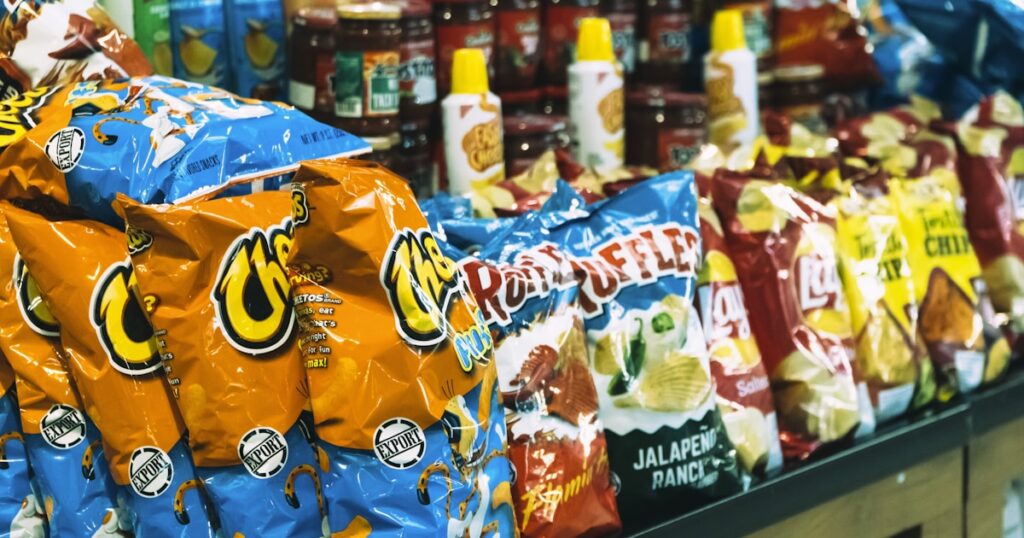
A sweeping new analysis of more than 112,000 adults has identified eight commonly used food additives that may quietly raise the risk of developing high blood pressure. Published in the European Heart Journal, the research adds to a growing body of evidence that the chemical scaffolding behind ultra-processed foods may carry cardiovascular consequences that nutrition labels rarely make obvious.
Hypertension already affects roughly 1.28 billion adults worldwide, according to the World Health Organization, and remains a leading driver of heart attack and stroke. The new findings suggest the problem may extend beyond well-known culprits like sodium and saturated fat to include preservatives and antioxidants tucked deep in ingredient lists.
Inside the NutriNet-Santé findings
The study drew on the French NutriNet-Santé cohort, a long-running observational project that tracks the diets and health of more than 100,000 adults. Researchers analyzed dietary records from 112,395 participants — average age 42.8, more than two-thirds women — across an average follow-up of 7.9 years. During that window, the team measured how often participants consumed individual food additives and compared those intakes against new diagnoses of hypertension.
Rather than lumping additives together, the analysis isolated specific compounds. After adjusting for total energy intake, sodium, body weight, family history, and other lifestyle factors, eight ingredients stood out:
- Potassium sorbate — 39% higher incidence of hypertension
- Total sorbates — 39% higher incidence
- Citric acid — 25% higher incidence
- Potassium metabisulfite — 16% higher incidence
- Total nitrites — 16% higher incidence
- Sodium nitrite — 16% higher incidence
- Ascorbic acid (synthetic vitamin C used as a preservative) — 14% higher incidence
- Sodium erythorbate — 14% higher incidence
The authors noted that because this is observational data, the results cannot prove that any single additive causes high blood pressure. They do, however, call for regulators to “revisit the evaluation of the safety” of these widely used compounds.
Where these additives show up
Most of the flagged ingredients are workhorses of the packaged-food aisle. Sorbates act as mold and yeast inhibitors in cheese, baked goods, wine, dried fruit, and dips. Nitrites cure bacon, deli meat, hot dogs, and sausage, where they fix color and suppress botulism. Citric acid sharpens flavor and stabilizes pH in soft drinks, canned tomatoes, jarred sauces, and many sour candies. Metabisulfites preserve dried fruit, shrimp, and bottled wine. Erythorbate and ascorbic acid commonly appear in cured meats and beverages as antioxidant aids.
That overlap matters. The U.S. Food and Drug Administration generally classifies these substances as Generally Recognized as Safe (GRAS) within set limits. But the new analysis underscores that everyday eaters often consume several of them together, sometimes across multiple meals a day, in patterns that the original safety thresholds did not anticipate.
How additives may influence blood pressure
The study did not pinpoint a single biological mechanism, but earlier research suggests several plausible routes. Nitrites and nitrates can shift vascular tone, and processed meats high in these compounds have long been linked to cardiovascular risk in cohort studies from the Harvard T.H. Chan School of Public Health. Emulsifiers and certain preservatives appear to disrupt the gut microbiome and intestinal barrier in animal models, which may amplify systemic inflammation — a known contributor to vascular stiffness.
Citric acid, while naturally occurring in fruit, is industrially produced from fermented mold strains for food use and may behave differently in highly processed matrices. The investigators emphasized that additives rarely act in isolation: a typical ultra-processed meal can contain a dozen or more, alongside high sodium, refined carbohydrates, and lower fiber, making it difficult to disentangle which component does what.
How experts are framing the takeaway
Dr. Federica Amati, a registered nutritionist at Imperial College London who was not involved in the research, told reporters that for most people, “cutting down on UPFs is a great place to start,” and recommended prioritizing “whole foods, which will naturally have fewer cosmetic commercial additives.”
That guidance aligns with broader trends. A 2024 BMJ umbrella review linked higher ultra-processed food intake to 32 different adverse health outcomes, including cardiovascular disease, type 2 diabetes, anxiety, and all-cause mortality. The new study sharpens that picture by pointing to specific ingredients rather than treating “processed” as a single category.
Practical steps backed by research
While more work is needed before regulators move on the eight flagged additives, several evidence-based habits already show clear benefits for blood pressure.
Shift toward whole and minimally processed foods
Diets such as the DASH eating plan and the Mediterranean diet emphasize vegetables, fruits, legumes, whole grains, nuts, fish, and olive oil. Randomized trials have shown DASH can lower systolic blood pressure by 8–14 mmHg in adults with hypertension, an effect comparable to some medications.
Read ingredient lists, not just nutrition panels
If sorbate, nitrite, metabisulfite, or erythorbate appears prominently, it usually signals a heavily processed product. Choosing fresh meat over cured deli slices, or homemade dressings over jarred ones, sharply reduces routine exposure.
Mind potassium, magnesium, and fiber
Research from the National Institutes of Health consistently links higher potassium intake from foods like leafy greens, beans, and bananas with lower blood pressure. Magnesium and fiber from whole grains and legumes show similar effects in meta-analyses.
Move daily, sleep well, manage stress
The American Heart Association recommends at least 150 minutes of moderate activity weekly. Studies indicate that consistent sleep of seven or more hours and stress-reduction practices such as breathing exercises also support healthy blood pressure.
The bigger picture
Observational research cannot, on its own, condemn an ingredient. But the convergence of evidence — from cohort studies, mechanistic work in the gut, and the broader ultra-processed food literature — suggests that the cumulative load of additives in the modern diet deserves more scrutiny than it has historically received. For consumers, the most actionable response is also the simplest: shift more meals toward whole, recognizable ingredients, and treat ultra-processed convenience foods as occasional rather than daily fare.
Anyone with elevated blood pressure or other cardiovascular risk factors should work with a clinician on a personalized plan, including any dietary or medication decisions.
Disclosure: This content is for informational purposes only and is not medical advice. Always consult a qualified healthcare provider before making changes to your health regimen.