
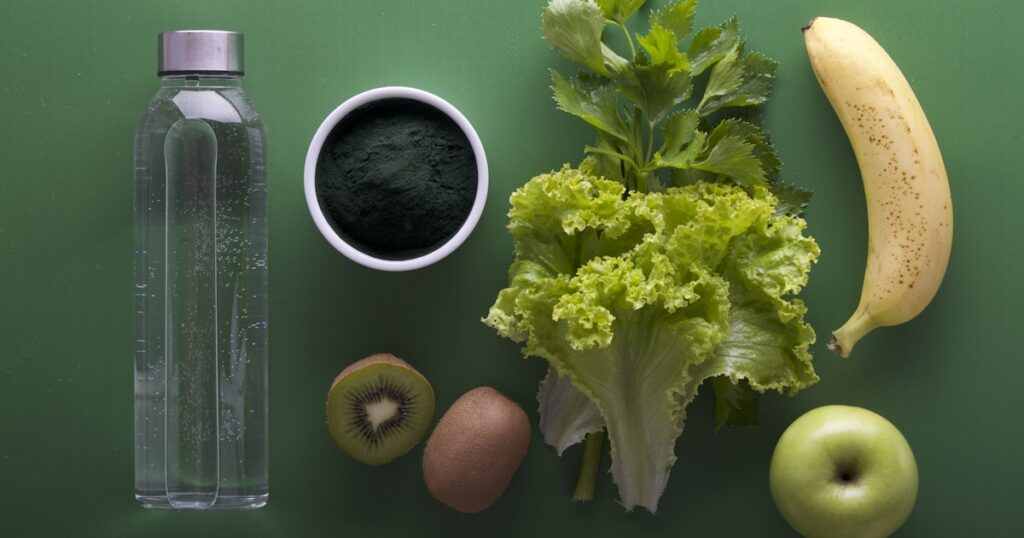
The phrase “trust your gut” may be more biologically accurate than most people realize. A rapidly growing body of research suggests that the trillions of microbes living in the digestive tract help shape how we feel, think, and respond to stress. Scientists call this two-way communication network the gut-brain axis, and unraveling it has become one of the most active frontiers in modern neuroscience.
What Is the Gut-Brain Axis?
The gut-brain axis refers to the constant biochemical and neural conversation between the central nervous system and the enteric nervous system—the dense network of neurons lining the gastrointestinal tract that researchers sometimes call the “second brain.” This system contains an estimated 500 million neurons, more than any other peripheral organ. According to a 2023 review in Cell, the gut and brain communicate through three main channels: the vagus nerve, immune signaling molecules, and microbial metabolites that circulate through the bloodstream.
Sitting at the center of this conversation is the gut microbiome—an ecosystem of roughly 100 trillion bacteria, fungi, viruses, and other microorganisms. Research from the National Institutes of Health’s Human Microbiome Project has documented thousands of distinct microbial species in the human gut, each producing a unique mix of metabolites that can cross into the bloodstream and, in some cases, influence the brain.
How Gut Microbes Talk to the Brain
Studies suggest that gut bacteria help produce or regulate many of the chemical messengers the brain depends on. An estimated 90% of the body’s serotonin—a neurotransmitter closely linked to mood—is synthesized in the gut, according to research published in Cell. Microbes also influence levels of dopamine, GABA, and short-chain fatty acids such as butyrate, which appear to play a role in regulating inflammation and supporting the blood-brain barrier.
The vagus nerve provides a fast, direct line of communication. Work led by neuroscientist John Cryan at APC Microbiome Ireland has shown that certain bacterial strains can send signals along the vagus nerve that alter stress responses and behavior in animal models. When the vagus nerve is severed, many of these effects disappear—evidence that this pathway is doing real biological work, not simply correlating with mood.
The Evidence on Mental Health
Human studies are still catching up to animal research, but the early signals are intriguing. A 2019 study in Nature Microbiology analyzed the microbiomes of more than 1,000 people and found that two bacterial groups—Coprococcus and Dialister—were consistently depleted in people with depression, even after adjusting for antidepressant use. The researchers also identified microbial pathways involved in producing a dopamine metabolite, hinting at a plausible biological mechanism.
Clinical trials of “psychobiotics”—probiotics designed to influence mental health—have produced mixed but promising results. A 2021 meta-analysis published in JAMA Network Open examined randomized trials of probiotics in adults with depression and found modest reductions in symptoms compared with placebo, though the authors cautioned that study quality varied.
Perhaps the most influential dietary trial in this space is the SMILES trial, published in BMC Medicine in 2017. Researchers found that participants with moderate to severe depression who switched to a modified Mediterranean diet rich in vegetables, legumes, whole grains, and olive oil experienced significantly greater improvements in depression scores than those who received only social support. While the trial did not measure microbiome changes directly, its findings align with later research showing that Mediterranean-style eating patterns favor a more diverse and anti-inflammatory gut microbial profile.
Stress, Inflammation, and the Leaky Gut Hypothesis
The gut-brain axis runs both ways. Chronic psychological stress appears to alter the composition of the microbiome and increase intestinal permeability—sometimes called “leaky gut”—allowing bacterial fragments to seep into circulation and trigger low-grade inflammation. Research published in Brain, Behavior, and Immunity has linked this kind of systemic inflammation to depressive symptoms, fatigue, and impaired cognition.
This may help explain why conditions like irritable bowel syndrome (IBS) so often coexist with anxiety and depression. The National Institute of Diabetes and Digestive and Kidney Diseases estimates that a substantial share of people with IBS also meet criteria for an anxiety or mood disorder—a co-occurrence too high to be coincidental.
Foods That Appear to Support a Healthy Microbiome
While no single food can rewire the gut overnight, dietary patterns have repeatedly emerged as the most powerful lever for shaping microbial diversity. A landmark 2021 Stanford study led by Justin Sonnenburg, published in Cell, randomized healthy adults to either a high-fiber or a high-fermented-foods diet for 10 weeks. The fermented-foods group—who ate yogurt, kefir, kimchi, sauerkraut, and kombucha daily—showed increased microbial diversity and reduced inflammatory markers.
Research suggests several dietary patterns may support gut-brain health:
- Fiber-rich plant foods such as legumes, oats, berries, and leafy greens, which feed beneficial bacteria that produce short-chain fatty acids.
- Fermented foods including unsweetened yogurt, kefir, kimchi, sauerkraut, miso, and tempeh.
- Polyphenol-rich foods like extra virgin olive oil, dark berries, green tea, and dark chocolate, which the microbiome metabolizes into anti-inflammatory compounds.
- Omega-3 fatty acids from fatty fish, walnuts, and flaxseed, associated with greater microbial diversity in observational studies.
Equally important is what to limit. Highly processed foods, excessive added sugar, and emulsifiers used in many packaged products have been linked in animal studies to thinning of the intestinal mucus layer and shifts toward pro-inflammatory microbial profiles.
Lifestyle Beyond the Plate
Diet matters, but so do sleep, movement, and stress regulation. Studies indicate that regular aerobic exercise increases microbial diversity independently of diet, and that even short bouts of mindfulness meditation may reduce stress-driven shifts in gut bacteria. Sleep deprivation, by contrast, appears to disrupt microbial balance within just a few nights.
What the Science Does Not Yet Say
Despite the excitement, the gut-brain field is still young. Most human evidence is observational, and causality is hard to establish in such a complex system. Generic probiotic supplements have not been shown to reliably improve mood in the general population, and personalized “microbiome tests” sold direct to consumers often outpace the science. Experts including UCLA gastroenterologist Emeran Mayer have urged caution against overinterpreting early findings.
What does seem clear is that the gut and the brain are not the separate organs traditional medicine long assumed. Caring for one likely benefits the other—and the most effective tools we have today are familiar ones: a fiber-rich, mostly plant-based diet, regular movement, quality sleep, and stress management.
If you experience persistent symptoms of anxiety, depression, or chronic digestive distress, consult a qualified healthcare provider. The gut-brain axis is a promising area of research, but it is not a substitute for evidence-based mental health care.
Disclosure: This content is for informational purposes only and is not medical advice. Always consult a qualified healthcare provider before making changes to your health regimen.