
Walk into any longevity-focused supplement aisle and you’ll find a row of capsules promising the benefits of broccoli — without the broccoli. The active ingredient driving that interest is sulforaphane, a sulfur-rich plant compound that has quietly accumulated one of the most decorated research files in nutritional science. Johns Hopkins researchers first isolated it from broccoli sprouts in 1992, and labs have been chasing its effects on cancer, the brain, the gut, and metabolic health ever since.
Here’s what the science actually shows, where the evidence is strong, and where the marketing has outpaced the data.
What Is Sulforaphane?
Sulforaphane is an isothiocyanate — a class of sulfur-containing molecules produced when cruciferous vegetables are chopped, chewed, or otherwise damaged. The compound itself does not pre-exist in intact plants. Instead, broccoli, kale, cauliflower, cabbage, Brussels sprouts, and arugula store a precursor called glucoraphanin. When the plant tissue is broken, an enzyme called myrosinase is released, converting glucoraphanin into sulforaphane in seconds.
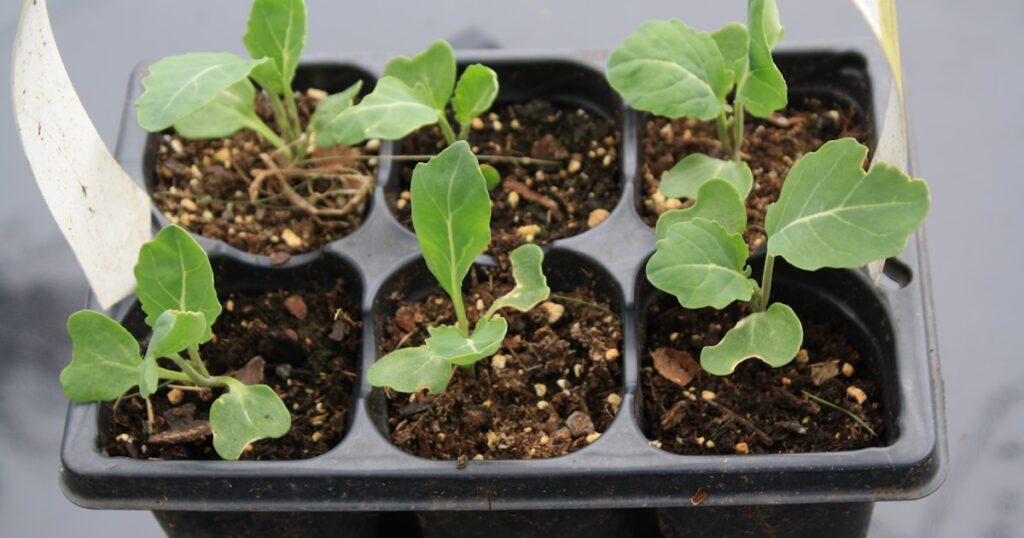
Broccoli sprouts — the tiny 3-to-5-day-old shoots — concentrate this chemistry. According to research from the Johns Hopkins School of Medicine, young broccoli sprouts can contain 20 to 100 times more glucoraphanin per gram than mature broccoli florets, making them by far the most efficient dietary source.
How Sulforaphane Works in the Body
The compound’s headline mechanism is activation of NRF2 (nuclear factor erythroid 2–related factor 2), a master regulatory protein that switches on more than 200 protective genes. When NRF2 is activated, the body ramps up:
- Phase II detoxification enzymes that help neutralize environmental carcinogens and reactive metabolites
- Glutathione, the body’s primary intracellular antioxidant
- Anti-inflammatory pathways that down-regulate NF-κB signaling
This is why sulforaphane is sometimes described as an “indirect antioxidant.” It does not scavenge free radicals itself — it teaches cells to defend themselves more aggressively. A 2024 review in Antioxidants highlighted that this upstream effect tends to outlast the compound’s short half-life in plasma (roughly 2 hours).
Cancer Prevention: Where the Evidence Is Strongest
The cancer chemoprevention research is the most mature line of evidence for sulforaphane. Population studies have repeatedly linked higher cruciferous vegetable intake to lower risk of several cancers, including lung, colorectal, breast, prostate, and bladder cancer, according to data summarized by the National Cancer Institute.
Smaller human trials have looked specifically at sulforaphane:
- A randomized trial from Johns Hopkins in residents of a heavily polluted region of China found that broccoli sprout beverage increased urinary excretion of airborne carcinogens, including benzene metabolites, suggesting accelerated detoxification.
- A 2015 trial in men with recurrent prostate cancer found that sulforaphane-rich extract slowed the rate of PSA doubling, a marker of disease progression.
- Early-phase studies have explored sulforaphane as an adjunct in breast and pancreatic cancer, though larger Phase 3 trials are still pending.
Researchers are careful to distinguish prevention from treatment. The evidence supports sulforaphane as part of a protective dietary pattern — not as a stand-alone cancer therapy.
Brain Health, Autism, and Schizophrenia Research
One of the more surprising research threads concerns the brain. Sulforaphane crosses the blood-brain barrier and activates NRF2 in neural tissue, where oxidative stress and chronic inflammation are implicated in everything from depression to neurodegeneration.
The most-cited human study is a 2014 trial published in PNAS, in which young men with moderate-to-severe autism spectrum disorder showed measurable improvements in social interaction and irritability scores after 18 weeks of daily sulforaphane, compared with placebo. A 2020 follow-up trial reported similar trends. The findings have spawned ongoing trials in schizophrenia and treatment-resistant depression.
Effect sizes have been modest and not all trials have been positive. But the consistency of the mechanistic story — reducing oxidative stress in brain tissue — has kept the research moving.
Heart, Metabolic, and Gut Effects
Smaller human studies suggest sulforaphane may support cardiometabolic health:
- A 2017 trial in Science Translational Medicine found that broccoli sprout extract reduced fasting glucose and HbA1c in overweight adults with poorly controlled type 2 diabetes.
- Other small trials have reported modest reductions in LDL cholesterol and markers of systemic inflammation like C-reactive protein.
- Animal and emerging human data suggest sulforaphane may favorably shift the gut microbiome and support the intestinal barrier — a finding still being replicated.
These benefits are not large enough to replace prescribed therapy for diabetes or heart disease, but they add to the case for cruciferous vegetables as a high-value food group.
How to Actually Get Sulforaphane From Food
Cooking is where most people accidentally destroy the active compound. Myrosinase — the enzyme that converts glucoraphanin into sulforaphane — is heat-sensitive. Boiling or microwaving broccoli for several minutes can deactivate it, leaving glucoraphanin behind with nothing to convert it.
Research-backed strategies to preserve sulforaphane:
- Eat broccoli sprouts raw, ideally 3 to 5 days after germination, when sulforaphane potential is highest.
- Chop and wait: cut broccoli or cauliflower and let it sit for 40 minutes before cooking. This gives myrosinase time to convert glucoraphanin while the enzyme is still active.
- Steam lightly (3–4 minutes) rather than boiling. Steaming retains far more myrosinase than boiling.
- Add a raw cruciferous source (such as raw arugula or mustard greens) to a cooked dish to provide a fresh myrosinase supply.
Supplements: Glucoraphanin Plus Myrosinase
Sulforaphane itself is unstable and difficult to capsule. Most supplements provide standardized glucoraphanin alongside active myrosinase, allowing conversion to occur in the gut.
If considering a supplement, research suggests looking for products that disclose both glucoraphanin content and verified myrosinase activity. Studies have used doses delivering roughly 30 to 90 micromoles of sulforaphane per day, though optimal dosing is still being defined.
Safety and Considerations
Sulforaphane has a long human safety track record from food. Reported side effects in trials are mild and uncommon — typically gastrointestinal discomfort or gas. Concentrated supplements may interact with certain medications, particularly those metabolized by cytochrome P450 enzymes, and high cruciferous intake can affect thyroid function in people with iodine deficiency. Pregnant and breastfeeding individuals, and anyone with a thyroid condition or on blood thinners, should consult a healthcare provider before taking concentrated extracts.
The Bottom Line
Sulforaphane is one of the better-studied bioactive compounds in food, with credible evidence for cellular detoxification, anti-inflammatory effects, and a protective role in cancer risk. Broccoli sprouts remain the highest-yield natural source, and simple cooking adjustments dramatically change how much of the compound you actually absorb. For now, the most defensible advice is also the simplest: eat a variety of cruciferous vegetables, prepare them in ways that preserve their chemistry, and treat supplements as a complement to — not a replacement for — the whole foods that produced the science in the first place.
Disclosure: This content is for informational purposes only and is not medical advice. Always consult a qualified healthcare provider before making changes to your health regimen.