
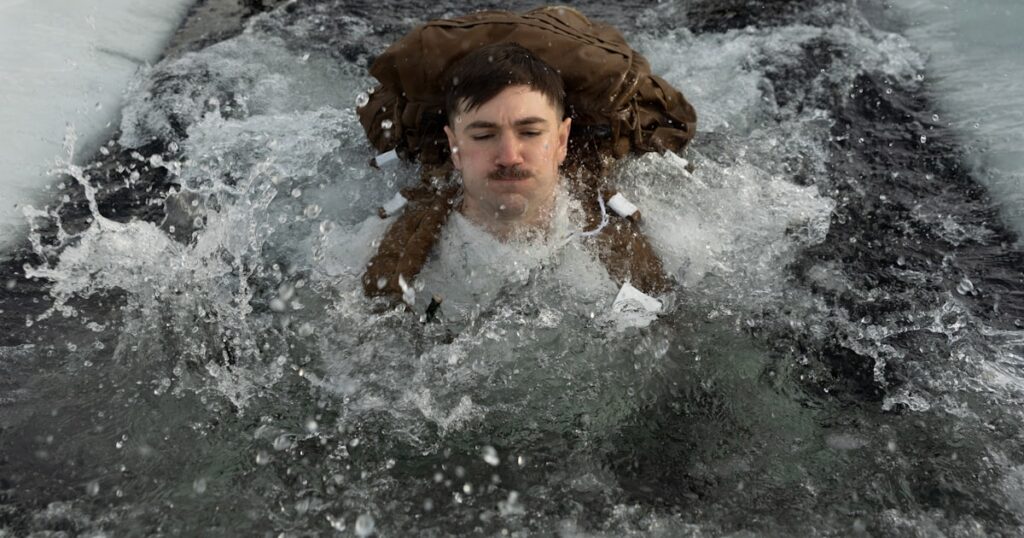
Cold water immersion isn’t a wellness fad — it’s one of the oldest therapeutic practices in human history. Ancient Romans built elaborate thermae that alternated hot and cold pools. Hippocrates prescribed cold water baths to reduce swelling and fatigue. Traditional Finnish sauna culture has long ended sessions with a plunge into an icy lake. What’s new is that modern science is finally catching up to what ancestral healers intuited centuries ago.
What Happens Inside Your Body
When you enter cold water — typically below 60°F (15°C) — a cascade of physiological responses unfolds rapidly. Understanding these mechanisms helps explain why the practice has attracted serious scientific attention.
The Norepinephrine Surge
One of the most consistently replicated findings is a dramatic increase in norepinephrine — a neurotransmitter and stress hormone — following cold water immersion. Research published in the European Journal of Applied Physiology found that brief cold exposure can elevate norepinephrine levels by 200–300%. Norepinephrine is central to focus, alertness, pain suppression, and mood regulation, which may partly explain why many practitioners report feeling sharper and calmer after a cold plunge.
Sustained Dopamine Elevation
Unlike the rapid spikes associated with many pleasurable stimuli, cold exposure appears to produce a gradual, sustained elevation in dopamine — the neurotransmitter tied to motivation, drive, and reward. Neuroscience researchers have observed that this sustained elevation, rather than a sharp peak and crash, may contribute to the prolonged sense of well-being reported by regular cold plunge practitioners.
Brown Fat Activation
Cold exposure activates brown adipose tissue (BAT), a metabolically active fat that generates heat by burning stored energy. Studies suggest that regular cold exposure may increase the body’s capacity to activate this thermogenic mechanism — with potential long-term implications for metabolic health and energy balance.
What Peer-Reviewed Research Shows
Athletic Recovery
This is where the evidence base is strongest. A widely cited 2012 meta-analysis in the Journal of Sports Sciences analyzed 14 randomized controlled trials and found cold water immersion significantly reduced delayed onset muscle soreness (DOMS) in the 24–96 hours following intense exercise, compared to passive recovery. Cold water therapy has since become standard practice among elite athletes and professional sports franchises worldwide.
A critical nuance: a 2019 study in the Journal of Physiology found that performing cold water immersion immediately after resistance training may blunt muscle hypertrophy signaling pathways. For those focused on building muscle mass, post-strength-training cold plunges may be counterproductive. Context and timing matter considerably.
Mood and Mental Health
A 2023 randomized controlled trial published in PLOS ONE — one of the most rigorous studies on this topic — found that participants in a weekly outdoor cold-water swimming program over eight weeks reported significant reductions in anxiety, depression, and negative affect compared to a control group. Improvements in mood persisted beyond the swimming sessions themselves.
Emerging case report literature and open-label studies suggest cold water therapy may be a useful adjunct for managing depressive symptoms, though researchers consistently note that larger-scale trials are needed before clinical recommendations can be made. What is clear is that the physiological mechanisms — norepinephrine, dopamine, and endorphin release — provide a plausible biological rationale for mood benefits.
Immune Function
A landmark 2016 Dutch study involving over 3,000 participants found that individuals who ended their morning showers with 30–90 seconds of cold water reported 29% fewer sick days compared to a control group. Notably, the effect was similar across different durations (30, 60, or 90 seconds), suggesting even brief cold exposure may confer meaningful immune benefits. The researchers proposed that cold-water habituation may enhance innate immune activity and increase resilience to common respiratory infections.
Inflammation Reduction
Cold water causes vasoconstriction — blood vessels narrow, reducing blood flow to peripheral tissues and dampening local inflammatory signaling. A University of Portsmouth study documented reductions in perceived fatigue and inflammatory markers in athletes following cold water immersion. This anti-inflammatory mechanism parallels longstanding claims in naturopathic and hydrotherapy traditions — claims that modern immunology is beginning to investigate more rigorously.
How to Practice Cold Water Therapy Safely
Cold water immersion is not without risks. Sudden immersion in very cold water can trigger cardiac arrhythmias, and hypothermia is a genuine danger in outdoor settings. Research-informed guidelines suggest the following approach:
- Start with cold showers: Begin with 30 seconds of cold water at the end of a warm shower, gradually extending over several weeks as tolerance builds.
- Avoid solo outdoor immersion: Never enter a cold lake, river, or ocean alone. Always have a companion nearby.
- Respect time limits: Most studied protocols range from 1–15 minutes. Longer durations do not necessarily yield greater benefits and increase hypothermia risk.
- Control your breathing: Practice slow, diaphragmatic breathing during immersion to minimize the cold shock response and reduce panic risk.
- Know your health history: People with cardiovascular conditions, Raynaud’s disease, hypertension, or circulatory disorders should consult a healthcare provider before beginning cold water therapy.
The Wim Hof Effect — and Its Scientific Limits
Dutch athlete Wim Hof — known as “The Iceman” — brought cold water immersion to global mainstream attention, combining it with specific breathwork protocols and mindset training. A 2014 study in the Proceedings of the National Academy of Sciences found that trained practitioners using Hof’s method could voluntarily influence their immune response to a bacterial endotoxin, resulting in fewer flu-like symptoms. While the finding was striking, scientists caution that the study involved a small, highly trained group and its results cannot be generalized to typical cold shower routines.
Research suggests the breathing component may be as important — or more so — than the cold exposure itself in producing some of Hof’s reported outcomes.
Traditional Hydrotherapy: The Historical Foundation
Cold water therapy has deep roots in naturopathic and traditional medicine systems. Nineteenth-century physician Sebastian Kneipp built an entire healing system — Kneipp therapy — around alternating hot and cold water applications, still practiced in European wellness spas today. Ayurvedic medicine recommends cold water (Jala Chikitsa) for stimulating circulation and balancing Pitta dosha. These traditions, while not originally evidence-based, pointed toward mechanisms that science is now validating.
The Bottom Line
Cold water therapy has earned its place in mainstream wellness for scientifically grounded reasons — particularly for post-exercise recovery, mood support, and immune function. The research is still maturing, and individual responses vary considerably. What the cumulative evidence does suggest is that deliberate, controlled cold exposure — practiced safely and consistently — may be a low-cost, drug-free tool to support physical recovery and psychological resilience.
As with any health practice, what works well for one person may not suit another. Consult your healthcare provider before incorporating cold water therapy into your routine, particularly if you have cardiovascular, neurological, or circulatory health considerations.
Disclosure: This content is for informational purposes only and is not medical advice. Always consult a qualified healthcare provider before making changes to your health regimen.