
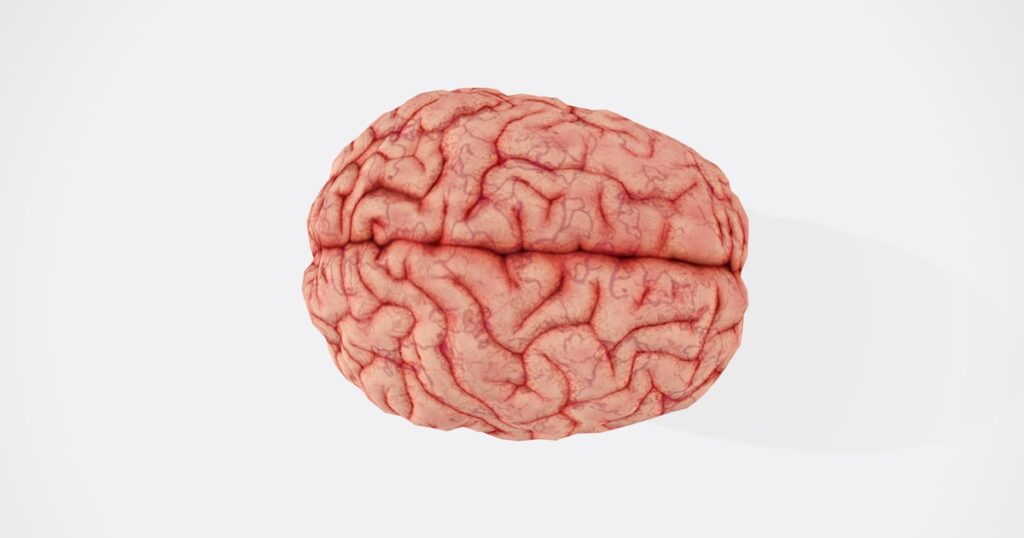
For decades, neuroscientists assumed that the brain’s resident immune cells — called microglia — quietly renew themselves throughout life, standing guard against injury and disease. A new study funded by the U.S. National Institutes of Health suggests that assumption may be wrong. Published in Science in July 2026, the research indicates that the human hippocampus, the region essential for learning and memory, undergoes a major immune-cell remodel starting in midlife, and that shift may help explain why cognitive decline and neurodegenerative disease so often take root in the decades between 50 and 75.
What the new NIH-funded study found
A team from the University of California, San Diego, the New York Genome Center, and the University of California, Irvine analyzed postmortem hippocampal tissue from 40 neurologically healthy adults spanning ages 20 to 95. Using single-cell gene expression profiling and detailed epigenomic mapping — techniques that read both what a cell is doing today and where it originally came from — the researchers tracked how the brain’s cellular makeup changes across the lifespan.
Their findings, published in Science (DOI: 10.1126/science.adt8307), point to three notable shifts that appear to accelerate in midlife:
- Microglia progressively decline between roughly ages 50 and 75, challenging the long-standing view that these cells continuously renew.
- The declining microglia appear to be replaced by inflammatory cells that resemble peripheral blood-derived immune cells — a very different type of guardian than the brain’s native workforce.
- Cells that help maintain the blood-brain barrier also show signs of change, potentially altering how tightly the brain is sealed off from the rest of the circulatory system.
“Gene expression tells us what a cell is doing today, but epigenetic signatures preserve information about where a cell came from,” said Nathan Zemke, Ph.D., one of the study authors, in the NIH press release. That distinction let the team infer that many of the immune cells arriving in older brains were not simply older microglia — they were a different lineage altogether.
Why midlife may be a critical window for brain health
Cognitive decline is often framed as a problem of older age, but a growing body of research suggests the biological groundwork is laid decades earlier. The 2024 Lancet Commission on dementia prevention estimates that up to 45% of dementia cases worldwide may be linked to 14 modifiable risk factors, many of which act most powerfully during midlife — including high blood pressure, hearing loss, physical inactivity, obesity, and social isolation.
The new NIH-funded findings add a cellular explanation for why this window matters. If the brain’s native immune surveillance really does begin to shift in the 50s, the resulting chronic low-grade neuroinflammation could be quietly setting the stage for the amyloid, tau, and vascular changes that show up decades later as Alzheimer’s disease and related dementias.
What the hippocampus does
The hippocampus is a seahorse-shaped structure buried deep in the temporal lobe. According to the National Institute of Neurological Disorders and Stroke, it is central to forming new memories, spatial navigation, and consolidating experiences into long-term storage. It is also one of the earliest regions to shrink in Alzheimer’s disease, which is why researchers watch it so closely.
How neuroinflammation links to dementia risk
Neuroinflammation — sustained activation of the brain’s immune system — is now considered a central feature of Alzheimer’s disease and other neurodegenerative conditions, not just a side effect. A 2022 review in Nature Reviews Neuroscience outlined how chronically activated microglia can shift from a protective role to one that damages synapses and accelerates neuronal loss.
The new findings suggest an additional wrinkle: it may not just be tired, over-activated microglia driving the problem, but a wholesale change in which immune cells are patrolling the aging brain. Studies indicate that peripheral immune cells that infiltrate the brain behave differently from resident microglia, and that difference may matter for how the brain responds to injury, infection, and the accumulation of misfolded proteins.
Evidence-based ways to support brain health in midlife
The NIH-funded study is a mechanistic advance, not a treatment recommendation, and there is no supplement or drug proven to reverse the immune shift it describes. That said, decades of research point to lifestyle factors that appear to lower dementia risk and support long-term brain health. According to the U.S. National Institute on Aging, the most consistent signals come from:
- Regular physical activity. Aerobic exercise is associated with lower dementia risk in observational studies and appears to reduce systemic inflammation.
- A Mediterranean-style or MIND diet. Research suggests eating patterns rich in vegetables, berries, whole grains, nuts, olive oil, and fish are associated with slower cognitive decline.
- Blood pressure and metabolic control. Managing hypertension, diabetes, and cholesterol in midlife is one of the most consistent modifiable risk factors identified by the Lancet Commission.
- Consistent, high-quality sleep. Studies indicate that deep sleep supports the brain’s glymphatic clearance system, which helps remove metabolic waste.
- Hearing care. Treating hearing loss in midlife has been linked to lower dementia risk, likely through both cognitive engagement and reduced social isolation.
- Cognitive and social engagement. Lifelong learning, strong social ties, and mentally challenging activities are consistently linked with better cognitive aging.
None of these are guaranteed shields, but the underlying biology — less systemic inflammation, better vascular health, more resilient synapses — aligns with what the new study implies about the aging brain.
What comes next in research
Researchers are now asking whether these immune cell changes happen at the same age in everyone, whether they are accelerated by cardiovascular disease, chronic infections, or environmental exposures, and whether existing anti-inflammatory strategies can slow the shift.
The study was supported by the NIH National Institute on Aging (grants R01AG067153 and R01AG082127) and the NIH Common Fund 4D Nucleome program. Larger studies across more brain regions and more diverse populations will be needed before any clinical recommendations can be made.
The bottom line
The idea that the human brain’s immune system quietly renews itself for life may be due for revision. New NIH-funded evidence suggests that midlife is a period of significant remodeling in the hippocampus, with resident microglia giving way to a more inflammatory cast of characters. That may help explain why the decades between 50 and 75 appear to be so consequential for long-term brain health — and why the everyday habits that lower inflammation, protect the vasculature, and keep the mind engaged remain the most evidence-backed tools for cognitive aging.
Disclosure: This content is for informational purposes only and is not medical advice. Always consult a qualified healthcare provider before making changes to your health regimen.