
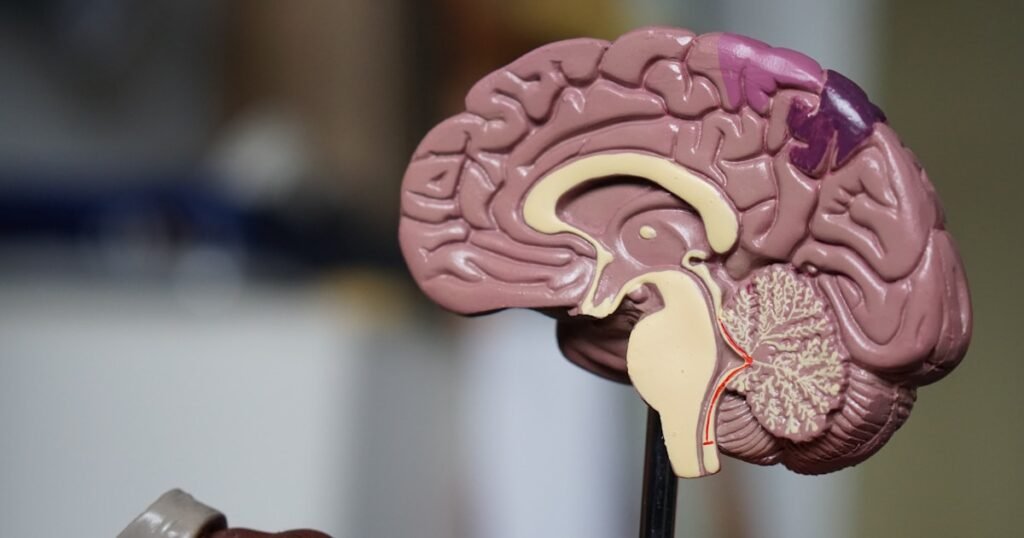
For decades, confirming Alzheimer’s disease meant undergoing an expensive PET scan or an invasive spinal tap. That changed when the U.S. Food and Drug Administration cleared the first blood-based diagnostic test for Alzheimer’s, opening the door to earlier, simpler detection of a disease that affects an estimated 6.9 million Americans, according to the Alzheimer’s Association.
Here’s what the science says about how the test works, who it may help, and how it fits into the broader push toward earlier intervention in cognitive decline.
A shift in how Alzheimer’s is diagnosed
The FDA’s clearance covered a plasma-based assay that measures two blood biomarkers linked to the amyloid plaques found in the brains of people with Alzheimer’s disease. Until this point, confirming amyloid pathology required either amyloid PET imaging—which can cost several thousand dollars and is not always covered by insurance—or a cerebrospinal fluid analysis obtained through lumbar puncture.
The National Institute on Aging notes that blood biomarker tests represent one of the most significant advances in the field in years, because they make it feasible to evaluate cognitive symptoms in a standard clinic visit rather than a specialized imaging center.
How the blood test works
What it measures
The cleared assay analyzes the ratio between two proteins in plasma: phosphorylated tau 217 (pTau 217) and beta-amyloid 1-42. Elevated pTau 217 combined with reduced beta-amyloid 1-42 is strongly associated with the presence of amyloid plaques in the brain—one of the pathological hallmarks of Alzheimer’s disease.
Rather than diagnose the disease on its own, the test is designed to help clinicians assess whether a person’s cognitive symptoms are consistent with amyloid pathology. That distinction matters, because dementia has many causes—vascular changes, Lewy body disease, frontotemporal degeneration, and reversible conditions such as vitamin B12 deficiency or thyroid dysfunction can all produce overlapping symptoms.
How accurate is it?
Published validation research on plasma pTau 217 assays has reported concordance with amyloid PET imaging in roughly 90 percent of cases in the populations studied, according to results in journals including JAMA and Nature Medicine. Researchers involved in those studies have cautioned that accuracy figures reflect controlled clinical populations, and that real-world performance in more diverse groups is still being characterized.
The FDA’s clearance is intended for use in adults aged 55 and older who are already showing signs of cognitive decline, not as a general screening tool for people without symptoms.
Who the test is for
Clinicians say the most appropriate candidates are people who have noticed persistent memory or thinking changes and have been evaluated by a physician. The test is meant to be interpreted alongside a full clinical workup, including cognitive assessments, medical history, and often brain imaging to rule out other causes.
It is not recommended for:
- Adults without cognitive symptoms who are simply curious about their risk
- People under 55, in whom Alzheimer’s-related amyloid pathology is uncommon
- Anyone hoping to use the result as a stand-alone diagnosis without physician interpretation
The Alzheimer’s Association’s clinical practice guidelines emphasize that biomarker testing should be reserved for patients whose symptoms warrant a diagnostic workup, and that results should always be discussed within the context of a comprehensive evaluation.
Why earlier detection matters
Interest in earlier Alzheimer’s detection has intensified with the arrival of the first disease-modifying therapies—monoclonal antibodies such as lecanemab and donanemab, which target amyloid plaques and have been shown in trials to modestly slow cognitive decline in people with early Alzheimer’s. Those medications are approved only for patients with confirmed amyloid pathology, so a reliable diagnostic step is essential.
Beyond drug eligibility, an earlier and more definitive diagnosis can:
- Reduce diagnostic uncertainty for patients and families
- Enable earlier planning for care, finances, and legal matters
- Help identify treatable non-Alzheimer’s causes of cognitive symptoms sooner
- Support enrollment in clinical trials studying prevention and treatment
Research from the National Institute on Aging also suggests that lifestyle interventions—including cardiovascular risk management, physical activity, sleep, and cognitive engagement—may be most beneficial when introduced early in the disease process.
Important limitations
The test is not a crystal ball. Amyloid plaques can be present in older adults who never develop dementia, and cognitive symptoms can occur without amyloid involvement. A positive result does not guarantee that Alzheimer’s is the cause of symptoms, and a negative result does not rule out future cognitive decline from other causes.
Insurance coverage, laboratory access, and physician familiarity with the test are still evolving. The Alzheimer’s Association and other clinical groups have called for consistent counseling protocols so that patients understand what results do and do not mean before agreeing to testing.
What comes next
Several other blood-based diagnostic tests are moving through late-stage validation, and researchers are studying whether pTau 217 and related biomarkers could eventually be used to monitor treatment response or gauge risk in people without symptoms. Independent scientists writing in The Lancet Neurology have noted that the field is moving quickly, and that professional guidelines will need to keep pace to ensure appropriate use.
For now, the practical takeaway is that a longstanding diagnostic bottleneck—access to biomarker confirmation—is beginning to open. Studies indicate that this could translate into earlier, more accurate diagnoses and better-informed treatment decisions.
Supporting brain health today
While diagnostics advance, the evidence base for brain-supportive habits continues to grow. Research reviewed by the National Institute on Aging associates the following with lower dementia risk in observational and interventional studies:
- Cardiovascular care: Managing blood pressure, blood sugar, and cholesterol, particularly in midlife
- Physical activity: Regular aerobic and resistance exercise
- Sleep: Consistent, adequate sleep, which supports overnight clearance of brain waste products
- Diet patterns: Mediterranean or MIND-style eating patterns emphasizing vegetables, whole grains, fish, and olive oil
- Social and cognitive engagement: Ongoing learning, hobbies, and meaningful social contact
- Hearing care: Addressing hearing loss, which the Lancet Commission on dementia prevention has identified as a leading modifiable risk factor
Anyone concerned about memory or thinking changes should consult a healthcare provider before pursuing any diagnostic test. A qualified clinician can evaluate whether biomarker testing is appropriate and interpret the results within the full picture of a person’s health.
Disclosure: This content is for informational purposes only and is not medical advice. Always consult a qualified healthcare provider before making changes to your health regimen.