
For decades, nutritional guidelines have urged people to choose whole grains over refined carbohydrates. Yet within everyday meal planning, debate has lingered over a central question: exactly how much whole grain consumption is required to produce tangible improvements in cardiovascular health?
A landmark systematic review and meta-analysis published in the European Heart Journal in September 2026 provides one of the most comprehensive answers to date. Evaluating data from 87 randomized controlled clinical trials, researchers determined that consuming 4 to 6 servings of whole grains daily—roughly 60 to 100 grams dry weight—is associated with significant, broad-spectrum improvements across key cardiometabolic biomarkers.
Rather than relying solely on observational questionnaires, this meta-analysis synthesized controlled dietary interventions. The findings demonstrate that reaching this 4-to-6 serving threshold produces concurrent reductions in total cholesterol, low-density lipoprotein (LDL) cholesterol, blood pressure, fasting glucose, and waist circumference.
The 2026 Meta-Analysis: Key Clinical Findings
The analysis evaluated diverse adult populations across intervention trials lasting between 4 and 24 weeks. When participants substituted refined starches with 4 to 6 daily servings of intact or minimally processed whole grains, researchers observed consistent benefits:
- Lipid Profile Reductions: Participants experienced statistically significant reductions in total cholesterol and circulating LDL cholesterol, along with modest improvements in triglycerides.
- Blood Pressure Regulation: Interventions demonstrated an average reduction in systolic blood pressure of 2 to 3 mmHg, a degree of change associated with meaningful decreases in long-term stroke and coronary disease risk.
- Glycemic and Metabolic Control: Fasting blood glucose and insulin resistance markers (HOMA-IR) improved consistently across trial cohorts.
- Body Composition: Consuming 4 to 6 servings daily was linked to an average reduction of 1.2 to 1.5 kilograms in body weight and measurable decreases in waist circumference, reflecting reductions in visceral adiposity.
These clinical findings align with 2026 dietary guidance updates from the American Heart Association (AHA), which highlight whole grains as essential foundations of cardiovascular disease prevention.
Biochemical Mechanisms: How Whole Grains Protect Arteries
The cardiovascular benefits of whole grains stem from the synergistic architecture of the intact grain kernel, which retains the germ, endosperm, and fiber-rich bran layer.
1. Bile Acid Binding and Hepatic LDL Clearance
Certain whole grains, particularly oats and barley, are rich in beta-glucan, a viscous soluble fiber. In the upper digestive tract, beta-glucan forms a gel that binds cholesterol-rich bile acids, preventing their reabsorption in the ileum and accelerating their excretion.
Because the liver requires cholesterol to synthesize replacement bile acids, it upregulates cell-surface LDL receptors. This biological mechanism pulls circulating LDL particles from the bloodstream, directly reducing atherogenic lipid burden.
2. Microbial Fermentation and Short-Chain Fatty Acids
The complex carbohydrates and resistant starches in whole grains pass through the small intestine intact, reaching the colon where anaerobic bacteria ferment them into short-chain fatty acids (SCFAs), primarily acetate, propionate, and butyrate.
As documented in clinical research on butyrate and gut barrier health, these microbial metabolites exert systemic vascular effects. Propionate enters the portal circulation and attenuates hepatic HMG-CoA reductase, the rate-limiting enzyme in cholesterol synthesis. Meanwhile, butyrate nourishes colonic epithelial cells and reinforces gut mucosal tight junctions, reducing the leakage of bacterial endotoxins that trigger chronic vascular inflammation.
3. Endothelial Function and Antioxidant Protection
The bran and germ layers contain high levels of magnesium, potassium, and unique polyphenols like ferulic acid and avenanthramides (unique to oats). Magnesium acts as a critical cofactor for endothelial nitric oxide synthase, supporting arterial vasodilation and normal blood pressure. Phenolic compounds further suppress cellular adhesion molecules, helping inhibit early plaque formation.
Weight Management and Satiety Signaling
A common misconception is that grains inevitably promote weight gain due to their carbohydrate content. However, the physical structure of intact whole grains tells a very different metabolic story.
Because intact grains require more mastication and contain structural fiber networks, gastric emptying occurs at a steady, measured pace. This blunts postprandial glucose surges, preventing the reactive hypoglycemia and compensatory hunger spikes that follow refined starch consumption.
Furthermore, fermentable fiber in the distal intestine prompts enteroendocrine cells to release satiety-inducing peptides, including glucagon-like peptide-1 (GLP-1) and peptide YY (PYY). By naturally modulating appetite signaling, whole grains help prevent overeating throughout the day—a key defense against cardiovascular-kidney-metabolic syndrome.
What Does 4 to 6 Servings Look Like?
Under official dietary standards from the USDA and the American Heart Association, one serving of whole grains equals approximately 16 grams of whole grain ingredient. In practical kitchen terms, one serving corresponds to:
- 1 slice of 100% whole grain or sprouted grain bread
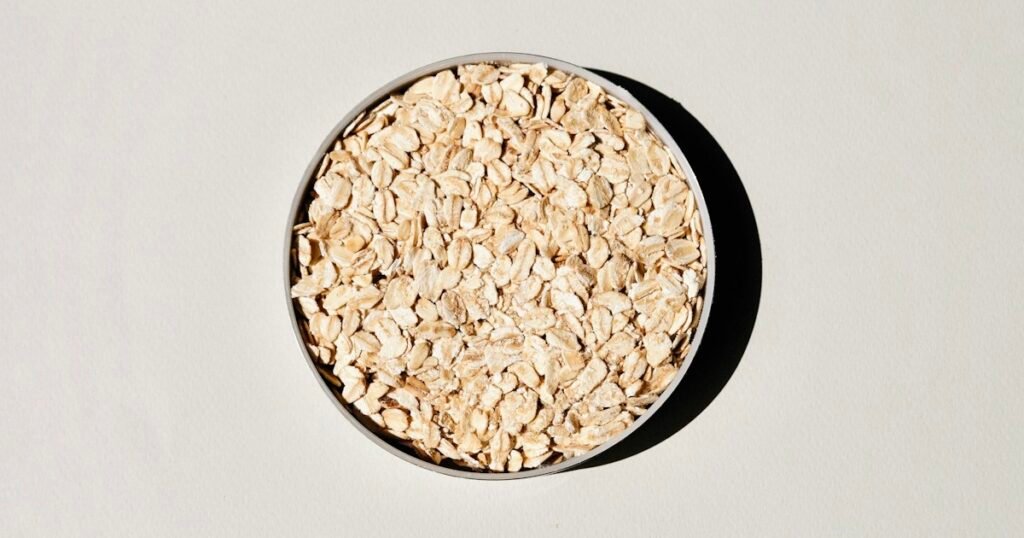
- 1/2 cup of cooked oatmeal (steel-cut or rolled)
- 1/2 cup of cooked brown rice, wild rice, quinoa, farro, or bulgur
- 1 cup of 100% whole grain unsweetened cereal flakes
- 3 cups of air-popped popcorn
Reaching 4 to 6 servings throughout the day can be accomplished through simple meal additions:
- Breakfast: 1 cup of cooked steel-cut oats topped with walnuts and berries (2 servings).
- Lunch: A Mediterranean salad bowl with 1/2 cup of cooked quinoa, or a sandwich made with 2 slices of 100% sprouted bread (1 to 2 servings).
- Snack: 3 cups of lightly seasoned air-popped popcorn (1 serving).
- Dinner: 1/2 cup to 1 cup of cooked brown rice or whole grain farro alongside vegetables and protein (1 to 2 servings).
Avoiding the “Whole Grain” Marketing Trap
When shopping, consumers must look beyond front-of-package marketing claims. Food manufacturers often label ultra-processed items as “made with whole grains,” even when the product consists predominantly of refined flour, added sugars, and inflammatory fats.
To ensure authentic benefits, check the nutrition facts panel carefully:
- The first ingredient must contain the word “whole” (e.g., “whole wheat flour,” “whole oats”). Terms like “enriched wheat flour” or “multigrain” frequently denote refined grain bases colored with caramel.
- Aim for a carbohydrate-to-fiber ratio of 10:1 or better—meaning at least 1 gram of dietary fiber for every 10 grams of total carbohydrates.
- Avoid products with more than 4 to 5 grams of added sugars per serving, which can negate glycemic and vascular benefits.
Clinical Perspective and Limitations
While the findings of this 87-trial meta-analysis are encouraging, medical experts emphasize practical perspective. The individual biomarker changes observed—such as a 2 to 3 mmHg drop in blood pressure or a 5% to 8% reduction in LDL cholesterol—are clinically meaningful across populations, but they are not overnight cures.
Whole grains provide maximum cardiovascular protection when they replace refined grains and ultra-processed snacks, rather than being added to an already hypercaloric diet. Additionally, individuals with celiac disease or irritable bowel syndrome should choose naturally gluten-free whole grains (such as quinoa, buckwheat, certified gluten-free oats, and millet) and increase fiber intake gradually with plenty of water.
Consulting a registered dietitian or physician can help you tailor whole grain choices to your unique metabolic needs and digestive tolerance.
Disclosure: This content is for informational purposes only and is not medical advice. Always consult a qualified healthcare provider before making changes to your health regimen.