Two plant pigments most people have never heard of may be quietly protecting your eyesight and your aging brain. Lutein and zeaxanthin are carotenoids found in leafy greens, egg yolks, and yellow-orange produce. They are also the only carotenoids that concentrate in the macula of the retina, where they filter damaging blue light and neutralize free radicals before they hurt sensitive photoreceptors.
Interest in these compounds exploded after the National Eye Institute’s landmark AREDS2 trial showed that a daily lutein and zeaxanthin combination could slow the progression of age-related macular degeneration (AMD), a leading cause of irreversible vision loss in adults over 60. More recent research suggests the benefits may extend to cognition, skin protection, and even all-cause mortality.
What Lutein and Zeaxanthin Actually Do
Lutein and zeaxanthin (and a related isomer, meso-zeaxanthin) make up the yellow pigment at the center of the retina. This pigment is measured as macular pigment optical density (MPOD), and higher MPOD is associated with better contrast sensitivity, faster glare recovery, and reduced photo-oxidative stress, according to a review published in Nutrients in 2018.
Beyond the eye, the same carotenoids cross the blood-brain barrier and accumulate in regions important for memory and executive function, including the prefrontal cortex and hippocampus. Research from the University of Georgia and the Human Nutrition Research Center on Aging at Tufts has found that brain lutein levels correlate with cognitive performance in older adults.
The AREDS2 Evidence on Eye Health
The Age-Related Eye Disease Study 2 (AREDS2), funded by the National Institutes of Health, randomized roughly 4,000 participants at risk for advanced AMD. The study, published in JAMA in 2013, tested a formula containing 10 mg of lutein and 2 mg of zeaxanthin in place of the beta-carotene used in the original AREDS supplement.
In participants who consumed the lowest amounts of lutein and zeaxanthin from food, the supplement reduced the risk of progression to advanced AMD by roughly 26 percent. A 10-year follow-up published in JAMA Ophthalmology in 2022 confirmed that switching from beta-carotene to lutein and zeaxanthin offered sustained protective benefit and reduced lung cancer risk in former smokers, who should not take beta-carotene.
For cataracts, the evidence is suggestive but less conclusive. A 2017 Cochrane review found that supplementation may reduce the need for cataract surgery in people with low dietary intake, but called for larger trials. The American Academy of Ophthalmology notes that diet-derived lutein and zeaxanthin appear to be associated with lower cataract risk in observational studies.
Brain Health and Cognition
The same antioxidant and anti-inflammatory properties that protect the retina may also benefit the brain. A randomized trial published in the Journal of the International Neuropsychological Society in 2017 found that 12 months of supplementation with 10 mg lutein and 2 mg zeaxanthin improved complex attention and cognitive flexibility in healthy older adults compared with placebo.
A separate 2021 study in Frontiers in Nutrition showed that higher macular pigment density was associated with better neural efficiency on memory tasks measured by fMRI. While these findings do not prove that supplementation prevents dementia, they fit a growing body of work linking dietary carotenoid intake with slower cognitive decline.
Food First: Where to Get Lutein and Zeaxanthin
Most healthy adults can reach recommended intakes through whole foods. The USDA’s national nutrient database reports the highest concentrations in dark leafy greens and certain yellow-orange vegetables. Standout sources, per cooked serving, include:
- Cooked kale — roughly 23 mg of combined lutein and zeaxanthin per cup
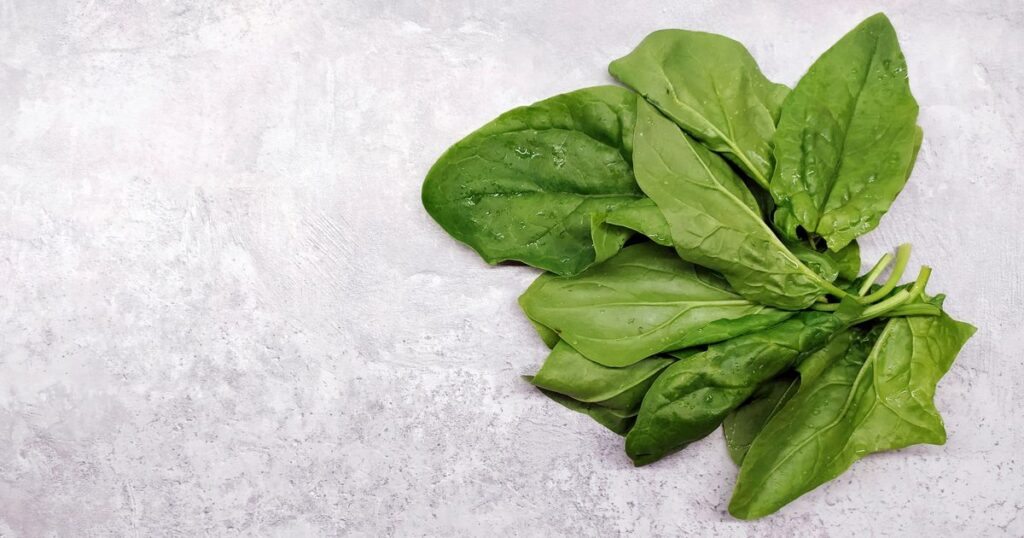
- Cooked spinach — about 20 mg per cup
- Collard greens — around 12 mg per cup
- Green peas, broccoli, Brussels sprouts — 2 to 4 mg per serving
- Egg yolks — 0.3 to 0.6 mg per yolk, but in a highly bioavailable fat-soluble form
- Corn, orange peppers, pistachios, and avocado — meaningful amounts of zeaxanthin in particular
Because lutein and zeaxanthin are fat soluble, absorption improves dramatically when these foods are eaten with healthy fats. Research published in The American Journal of Clinical Nutrition has shown that adding avocado or extra-virgin olive oil to a salad can multiply carotenoid uptake several-fold compared with a fat-free meal.
Should You Supplement?
Average U.S. intake is estimated at only 1 to 2 mg per day, well below the 6 to 12 mg associated with eye and brain benefits in research. For people with established intermediate or advanced AMD in one eye, the National Eye Institute recommends discussing the AREDS2 formula with an ophthalmologist. For others, food is the preferred starting point.
If you do consider a supplement, look for products that match the AREDS2 dose, list the marigold-derived form (the most studied source), and combine lutein with zeaxanthin in roughly a 5-to-1 ratio. Doses up to 20 mg per day have been used safely in trials lasting more than a year, though long-term safety data above that level are limited.
Other Emerging Benefits
Beyond the eye and brain, recent research has explored lutein and zeaxanthin in other domains:
- Skin protection. A 2016 review in Skin Pharmacology and Physiology reported that both topical and oral lutein may reduce UV-induced redness and improve skin hydration.
- Cardiovascular markers. Observational data in the Journal of the American Heart Association have linked higher dietary intake with lower oxidized LDL and reduced carotid intima-media thickness.
- Mortality. A large NHANES cohort analysis found that adults in the highest quintile of dietary lutein and zeaxanthin intake had lower all-cause mortality over 15 years of follow-up, though residual confounding is possible.
The Bottom Line
Lutein and zeaxanthin are among the most rigorously studied micronutrients in modern eye research, with NIH-funded trials, decades of cohort data, and a clear mechanism of action. The simplest move is also the most evidence-based: build meals around dark leafy greens, eat the whole egg, and pair plants with healthy fats. For people with existing AMD or very low dietary intake, an AREDS2-style supplement may add meaningful protection.
As with any change to your health regimen, talk with your eye doctor or primary care provider before starting a new supplement, especially if you smoke, take blood thinners, or have a chronic condition that affects nutrient absorption.
Disclosure: This content is for informational purposes only and is not medical advice. Always consult a qualified healthcare provider before making changes to your health regimen.