
High blood pressure — or hypertension — affects nearly 1.28 billion adults worldwide, according to the World Health Organization. Often called the “silent killer,” it rarely causes noticeable symptoms until serious damage has already occurred to the heart, brain, or kidneys. While medication plays an essential role for many patients, a growing body of research shows that strategic dietary choices can meaningfully influence blood pressure — sometimes as effectively as a single antihypertensive drug.
Studies supported by the National Institutes of Health have demonstrated that specific foods can lower systolic blood pressure by 8–14 mmHg — a clinically significant margin. Understanding which foods help, and the mechanisms behind them, gives people actionable tools to support their cardiovascular health alongside professional medical care.
How Diet Affects Blood Pressure
Blood pressure regulation involves a complex interplay between the kidneys, blood vessels, hormones, and the nervous system. Diet influences several key mechanisms:
- Sodium-potassium balance: High sodium causes the body to retain water, increasing blood volume and vessel pressure. Potassium counteracts this by relaxing blood vessel walls and helping the kidneys excrete excess sodium.
- Nitric oxide production: Certain food compounds trigger production of nitric oxide, a signaling molecule that dilates blood vessels and reduces arterial stiffness.
- Inflammation: Chronic low-grade inflammation contributes to hypertension. Anti-inflammatory foods reduce this burden over time.
- Magnesium and calcium: These minerals help regulate vascular smooth muscle contraction — a direct driver of blood pressure.
The DASH Diet: The Gold Standard
The Dietary Approaches to Stop Hypertension (DASH) diet, developed with NIH funding in the 1990s, remains the most evidence-backed dietary pattern for blood pressure management. Multiple large clinical trials have confirmed it can reduce systolic blood pressure by 8–14 mmHg — comparable to the effect of a first-line medication.
The DASH diet emphasizes fruits, vegetables, whole grains, low-fat dairy, lean proteins (especially fish and poultry), and nuts and legumes — while limiting sodium, added sugars, and saturated fat. The Mediterranean diet follows a similar principle and has produced comparable cardiovascular benefits in landmark trials like PREDIMED.
Top Foods Linked to Lower Blood Pressure
1. Leafy Greens
Spinach, kale, arugula, and Swiss chard are rich in both potassium and dietary nitrates. A 2021 study in the European Journal of Epidemiology found that people with the highest leafy green intake had significantly lower rates of hypertension. A single serving of cooked spinach provides roughly 840 mg of potassium — nearly 18% of the daily recommended intake.
2. Berries
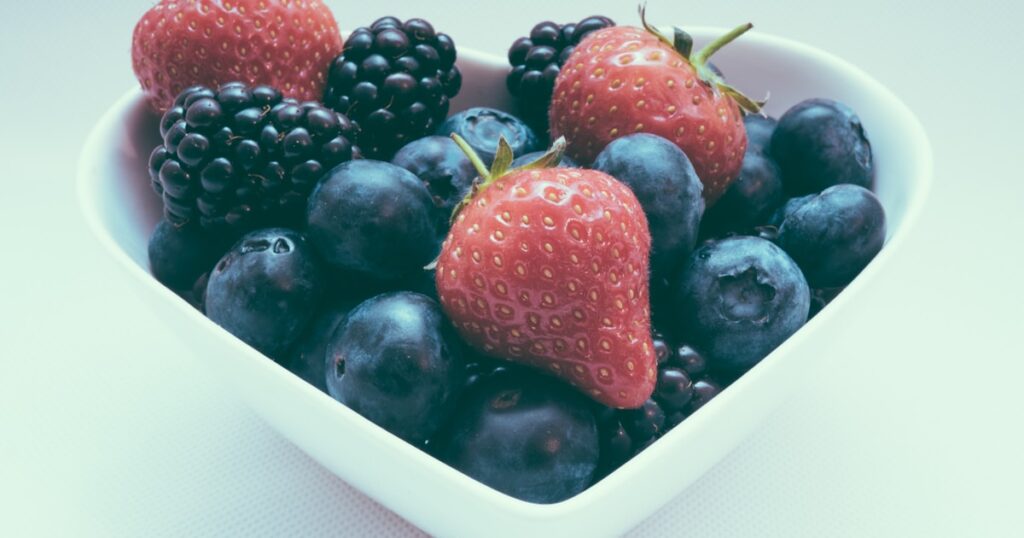
Blueberries, strawberries, and raspberries contain flavonoids called anthocyanins that improve endothelial function — the health of the inner lining of blood vessels. A study tracking over 34,000 people in the American Journal of Clinical Nutrition found those with the highest berry consumption had an 8% lower risk of developing hypertension.
3. Beets and Beet Juice
Beets are among the richest dietary sources of inorganic nitrate, which the body converts to nitric oxide. Research published in Hypertension found that drinking one glass of beet juice daily lowered systolic blood pressure by 4–5 mmHg in hypertensive patients within 24 hours — a rapid and measurable effect.
4. Oats and Whole Grains
The soluble fiber in oats — specifically beta-glucan — has well-documented blood pressure-lowering properties. A meta-analysis of 28 randomized trials in the American Journal of Clinical Nutrition found oat consumption was associated with a reduction of approximately 2.7 mmHg in systolic blood pressure, with stronger effects in those with elevated baseline readings.
5. Fatty Fish
Salmon, mackerel, sardines, and herring are rich in long-chain omega-3 fatty acids (EPA and DHA), which reduce systemic inflammation and may directly relax blood vessel walls. A 2022 meta-analysis in the Journal of the American Heart Association found that 2–3 weekly servings of fatty fish were associated with significantly lower blood pressure compared to consuming lean fish or none.
6. Garlic
Garlic contains allicin, a sulfur compound formed when garlic is crushed or chopped. Research suggests allicin promotes nitric oxide synthesis and relaxes arterial smooth muscle. A systematic review of 12 clinical trials published in Maturitas found that garlic supplementation lowered systolic blood pressure by an average of 8 mmHg in people with hypertension — a substantial effect from a culinary staple.
7. Pomegranate
Pomegranate is rich in punicalagins, potent antioxidants that reduce oxidative stress and arterial stiffness. A clinical trial in Plant Foods for Human Nutrition found that daily pomegranate consumption over four weeks lowered systolic blood pressure by as much as 21%. Research suggests even moderate intake — a small glass of juice or a quarter of a whole fruit daily — may produce measurable benefits.
8. Dark Chocolate (70%+ Cacao)
Cocoa flavanols stimulate nitric oxide production in the endothelium. A Cochrane systematic review of 20 randomized trials found that cocoa products reduced systolic blood pressure by 2–3 mmHg on average, with the largest effects seen in hypertensive individuals. Studies recommend 30–40 grams of dark chocolate daily with at least 70% cocoa content and minimal added sugar.
9. Legumes
Beans, lentils, and chickpeas provide a triple combination of potassium, magnesium, and fiber — three nutrients consistently associated with lower blood pressure. A clinical trial published in the Archives of Internal Medicine found that adding one serving of legumes per day reduced systolic blood pressure by 2.25 mmHg over 10 weeks.
10. Extra-Virgin Olive Oil
Oleocanthal and other phenolic compounds in extra-virgin olive oil have demonstrated anti-inflammatory and antihypertensive properties. The landmark PREDIMED trial, published in the New England Journal of Medicine, found that a Mediterranean diet supplemented with extra-virgin olive oil reduced the risk of major cardiovascular events by 30%. Research suggests polyphenol-rich olive oil, specifically, drives this benefit.
Lifestyle Factors That Amplify the Effect
Dietary changes are most powerful when combined with broader lifestyle shifts:
- Reduce sodium: The American Heart Association recommends less than 2,300 mg of sodium per day, with an optimal goal of 1,500 mg for those with existing hypertension.
- Limit alcohol: More than one drink per day for women and two for men is independently associated with elevated blood pressure.
- Exercise regularly: Studies show 150 minutes of moderate aerobic activity per week can reduce systolic blood pressure by 5–8 mmHg.
- Manage weight: Research indicates each kilogram of weight loss is associated with approximately 1 mmHg reduction in systolic pressure.
- Manage stress: Chronic psychological stress activates the sympathetic nervous system, contributing to sustained blood pressure elevation. Mindfulness, yoga, and consistent sleep have demonstrated modest but real benefits.
When to See a Healthcare Provider
Dietary changes are a powerful complement to medical care, but hypertension is a serious condition that often requires professional management. Anyone with readings consistently above 130/80 mmHg should consult a healthcare provider before making significant dietary changes — especially those on existing medications, as some foods (notably grapefruit and certain leafy greens) can interact with common antihypertensive drugs.
Research suggests that people who combine the DASH diet with regular physical activity, sodium reduction, and weight management can achieve blood pressure reductions equivalent to a first-line medication — a meaningful outcome with benefits extending well beyond blood pressure itself.
Disclosure: This content is for informational purposes only and is not medical advice. Always consult a qualified healthcare provider before making changes to your health regimen.