
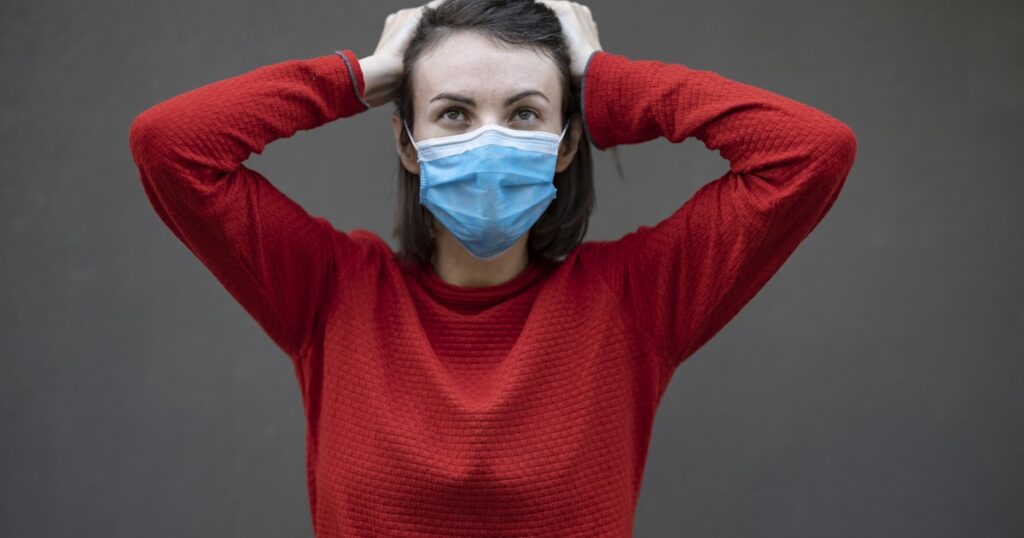
In April 2026, a rare and deadly virus made headlines when passengers aboard a cruise ship fell ill with a disease rarely seen outside its endemic South American territory. The Andes strain of hantavirus claimed at least three lives and infected eight or more people, triggering an international public health response and reigniting questions about emerging infectious threats. Understanding what hantavirus is, how the Andes variant differs from other strains, and what precautions you can take is essential — not just for travelers, but for anyone seeking to understand the evolving landscape of infectious disease.
What Is Hantavirus?
Hantaviruses are a family of RNA viruses carried primarily by rodents, particularly deer mice, rats, and voles. Humans typically become infected through contact with the urine, feces, or saliva of infected rodents — usually by inhaling aerosolized particles when disturbing contaminated nesting material or soil. There are dozens of hantavirus strains worldwide, and the diseases they cause range from relatively mild fever to life-threatening conditions.
In the Americas, hantavirus pulmonary syndrome (HPS) — a severe respiratory illness — is the most concerning form of the disease. The Sin Nombre virus, responsible for a notable 1993 outbreak in the U.S. Southwest, is among the best-known North American strains. Fatality rates for HPS can exceed 35%, making hantavirus one of the deadlier zoonotic diseases (those transmitted from animals to humans) in the Western Hemisphere.
The Andes Virus: A Uniquely Dangerous Strain
Not all hantaviruses behave the same way. The Andes virus, endemic to Argentina and Chile, stands apart from nearly every other hantavirus strain in one critically important way: it is capable of spreading from person to person.
According to Dr. William Schaffner, an infectious disease specialist at Vanderbilt University, the Andes strain “can be spread from person to person,” unlike the majority of hantavirus variants, which require direct rodent contact for transmission. However, Dr. Justin Chan, another infectious disease expert, notes that human-to-human transmission “typically requires close and prolonged contact leading to exposure to infectious body fluids.” This distinguishes it from highly contagious airborne diseases like measles or influenza but raises its risk profile considerably compared to other hantavirus strains.
The Andes virus has circulated in Argentina and Chile for decades, causing sporadic outbreaks in rural communities. Its emergence on an international cruise ship — affecting passengers from multiple countries — represents an unusual epidemiological event that caught global health authorities’ attention.
The 2026 MV Hondius Outbreak
The outbreak began when a 70-year-old Dutch man, who had departed from Ushuaia, Argentina — a gateway to Patagonia at the southern tip of South America — fell critically ill aboard the MV Hondius cruise ship. He died on April 11, 2026, becoming the index case. His wife later succumbed to the same illness. By May 8, 2026, at least eight confirmed or suspected cases had been identified among the ship’s 147 passengers and crew, with three deaths total.
Argentine health authorities and the World Health Organization (WHO) moved quickly to assess the situation. The ship, which had been held off Cape Verde while investigations proceeded, was eventually authorized to sail toward the Canary Islands in Spain. Disembarked passengers were advised to monitor themselves for symptoms for six to eight weeks given the virus’s long incubation period.
The WHO assessed the global risk as “low,” given that the outbreak appeared confined to individuals who had been aboard the vessel and had likely been exposed to infected rodents in Argentina before or during embarkation. Authorities believe the original source of infection was contact with hantavirus-carrying rodents in Ushuaia or surrounding Patagonian wilderness areas.
Recognizing the Symptoms
Hantavirus pulmonary syndrome progresses in distinct phases, and early recognition is critical for improving outcomes. According to Dr. Chan, the disease typically unfolds as follows:
Early Phase (Days 1–4)
Initial symptoms can be deceptively mild and resemble influenza: fever, headache, muscle aches, fatigue, and sometimes gastrointestinal upset including nausea, vomiting, or diarrhea. Research indicates that this prodromal phase typically lasts two to four days, making early diagnosis challenging because these symptoms overlap with many common illnesses.
Cardiopulmonary Phase
The disease can deteriorate rapidly. Severe symptoms include respiratory distress, fluid accumulation in the lungs (pulmonary edema), pneumonia, and dangerous drops in blood pressure. This phase is life-threatening and typically requires intensive care hospitalization. Studies indicate that respiratory failure can develop within hours of the onset of breathing difficulties.
The incubation period — the time between exposure and symptom onset — ranges from one to eight weeks. This extended window makes contact tracing and containment especially difficult in travel-related cases.
How Hantavirus Spreads
For most hantavirus strains, transmission occurs through:
- Inhalation of aerosolized rodent urine, droppings, or saliva — the most common route
- Direct contact with infected rodents or contaminated materials, particularly through skin abrasions
- Rodent bites — rare but documented
For the Andes strain specifically, close and prolonged contact with an infected person — particularly exposure to respiratory secretions or other body fluids — may also result in transmission. Research suggests that healthcare workers and household contacts of Andes virus patients face the greatest secondary transmission risk. General public exposure without direct contact with an infected individual or endemic rodent populations carries minimal risk.
Prevention and Protection
There are no approved vaccines or specific antiviral treatments for hantavirus. Medical management relies on intensive supportive care — oxygen therapy, mechanical ventilation, and cardiovascular support. Given this, prevention is the most powerful tool available.
Reduce Rodent Exposure at Home
- Seal gaps, cracks, and holes in walls, foundations, and around pipes to rodent-proof your home
- Store food and garbage in sealed, rodent-proof containers
- When cleaning areas with possible rodent activity (attics, basements, sheds), wear rubber gloves and an N95 or HEPA-filtered respirator
- Wet down dusty areas with a disinfectant solution before sweeping to prevent aerosol formation
- Avoid disturbing rodent nesting material with bare hands or by dry sweeping
Travel Precautions
Travelers to Patagonia, rural Argentina, Chile, and other Andean regions where the Andes virus is endemic should exercise particular caution. Research suggests that camping, hiking, and outdoor activities in rodent habitat areas carry higher risk. Avoid sleeping in areas with signs of rodent infestation, and use tents rather than rustic cabins when possible.
When Caring for a Sick Individual
If you are caring for someone suspected of having Andes virus infection, consult public health authorities for guidance on appropriate precautions. Healthcare providers recommend standard and droplet precautions for hospitalized patients with confirmed or suspected Andes virus infection.
Should You Be Worried?
The short answer, according to leading infectious disease specialists, is: no — but stay informed. Dr. Schaffner has emphasized that “the risk of substantial spread is very low; this should not be the start of another COVID-like epidemic.” The WHO’s “low” global risk assessment reflects the fact that the Andes virus requires specific conditions — primarily rodent exposure in endemic regions or close contact with an infected person — for transmission to occur.
Unlike SARS-CoV-2, hantaviruses do not spread efficiently through casual contact, shared air spaces, or brief encounters. The 2026 outbreak, while tragic for those affected, has remained contained to a defined cohort of travelers who shared a common exposure event. Public health systems in affected countries are well-equipped to monitor and respond to further cases.
When to See a Healthcare Provider
If you have recently traveled to Patagonia or other hantavirus-endemic regions and develop fever, severe muscle aches, or unexplained respiratory symptoms — especially within eight weeks of potential rodent exposure — seek medical evaluation promptly. Inform your healthcare provider of your travel history, as hantavirus can be missed in initial assessments due to its flu-like early presentation. Early supportive care significantly improves outcomes. Do not wait for symptoms to worsen before seeking help.
As global travel continues to connect remote ecosystems with population centers worldwide, zoonotic diseases like hantavirus serve as important reminders of humanity’s ongoing relationship with the natural world. Staying informed, taking sensible precautions, and supporting robust global disease surveillance systems are among the most effective steps individuals can take to protect public health.
Disclosure: This content is for informational purposes only and is not medical advice. Always consult a qualified healthcare provider before making changes to your health regimen.