
Chronic inflammation is a silent driver of some of today’s most serious health conditions — from heart disease and type 2 diabetes to certain cancers and autoimmune disorders. While acute inflammation is a normal, protective immune response, chronic low-grade inflammation that persists over months or years can damage healthy tissues throughout the body.
The good news: the foods on your plate have a measurable impact on your body’s inflammatory state. Research published in journals including Nutrients and Circulation consistently shows that certain dietary patterns — and specific foods — can meaningfully reduce key inflammatory markers such as C-reactive protein (CRP), interleukin-6 (IL-6), and tumor necrosis factor-alpha (TNF-α).
Here is what the science says about the most powerful anti-inflammatory foods you can eat.
Why Chronic Inflammation Is So Damaging
Inflammation is the immune system’s way of responding to injury or pathogens. But when that response never fully switches off — triggered by poor diet, stress, environmental toxins, or sedentary lifestyle — it creates ongoing oxidative stress. This dysregulation activates the nuclear factor kappa-B (NF-κB) signaling pathway, a master switch for pro-inflammatory gene expression, contributing to atherosclerosis, insulin resistance, and cellular damage over time.
A 2018 meta-analysis in European Journal of Clinical Nutrition found that higher adherence to an anti-inflammatory dietary pattern was associated with a 29% lower risk of cardiovascular disease and a 25% lower risk of cancer mortality compared to low adherence — underscoring just how impactful food choices can be.
Top Anti-Inflammatory Foods Backed by Science
1. Leafy Greens and Cruciferous Vegetables
Kale, spinach, broccoli, Brussels sprouts, and cabbage are among the most consistently studied anti-inflammatory foods. A meta-analysis examining over 400,000 participants found that each additional 200g of vegetables per day was associated with a 10% reduction in cardiovascular disease risk — with leafy greens and cruciferous vegetables showing the strongest effects.
The mechanisms are well-characterized: carotenoids in leafy greens inhibit NF-κB and downstream inflammatory cytokines like IL-8 and prostaglandin E2. Cruciferous vegetables contain isothiocyanates that activate the Nrf2 transcription factor, upregulating antioxidant enzymes. Dietary nitrates in greens also boost nitric oxide production, relaxing blood vessels and slowing atherosclerosis progression.
2. Fatty Fish
Salmon, sardines, mackerel, herring, and anchovies are rich in long-chain omega-3 fatty acids — specifically EPA (eicosapentaenoic acid) and DHA (docosahexaenoic acid). These fats are direct precursors to specialized pro-resolving mediators (SPMs) including resolvins and protectins, which actively resolve inflammation rather than merely suppressing it.
Multiple randomized controlled trials show that omega-3 supplementation at doses achievable through regular fish consumption significantly reduces circulating CRP, IL-6, and TNF-α. The American Heart Association recommends at least two servings of fatty fish per week for cardiovascular protection.
3. Berries
Blueberries, strawberries, raspberries, and cherries owe much of their anti-inflammatory power to anthocyanins — the pigments that give them their deep colors. Anthocyanins inhibit NF-κB signaling and reduce oxidative stress markers. Studies suggest that regular blueberry consumption can lower CRP by up to 25% in adults with metabolic syndrome.
Tart cherries deserve special mention: research published in the Journal of Nutrition found that tart cherry juice significantly reduced markers of exercise-induced inflammation and muscle damage, making them particularly valuable for recovery.
4. Extra-Virgin Olive Oil
A cornerstone of the Mediterranean diet, extra-virgin olive oil (EVOO) contains oleocanthal, a phenolic compound that inhibits the same COX-1 and COX-2 enzymes targeted by ibuprofen — giving it a natural, dose-dependent anti-inflammatory effect. It also provides oleic acid, a monounsaturated fat that reduces pro-inflammatory signaling molecules.
Research in Epidemiology & Community Health showed that greater EVOO consumption was associated with significantly lower all-cause mortality, particularly from cardiovascular causes. Studies indicate consuming 3–4 tablespoons daily of EVOO provides meaningful anti-inflammatory benefit.
5. Turmeric and Ginger
Curcumin, the active compound in turmeric, has been studied in over 100 clinical trials. It works through multiple pathways: inhibiting NF-κB, suppressing COX-2 enzyme activity, and reducing pro-inflammatory cytokines. A meta-analysis of 15 randomized trials found curcumin supplementation significantly reduced CRP and IL-6 in adults with chronic inflammatory conditions.
Ginger contains gingerols and shogaols with similar mechanisms. Research suggests ginger consumption reduces pain and inflammatory markers in osteoarthritis and post-exercise muscle soreness. Combining turmeric with black pepper (which contains piperine) increases curcumin bioavailability by up to 2,000%.
6. Nuts and Seeds
Walnuts stand out for their high alpha-linolenic acid (ALA) content — a plant-based omega-3. Almonds are rich in vitamin E, a fat-soluble antioxidant that protects cell membranes from oxidative damage and modulates immune function. A 2019 review in Nutrients found that nut consumption was inversely associated with several inflammatory biomarkers, with walnuts showing the most consistent effect on CRP reduction.
7. Green Tea
Green tea is one of the richest dietary sources of epigallocatechin-3-gallate (EGCG), a catechin with potent anti-inflammatory and antioxidant properties. EGCG inhibits NF-κB, reduces pro-inflammatory cytokine production, and modulates T-cell responses. Epidemiological studies from Japan, where green tea consumption is high, consistently link regular intake with lower rates of heart disease, type 2 diabetes, and certain cancers.
8. Dark Chocolate
Dark chocolate with 70% or higher cocoa content is a meaningful source of flavanols — particularly epicatechin and catechin. These compounds reduce oxidative stress, improve endothelial function, and lower inflammatory markers. A meta-analysis in Frontiers in Nutrition found that cocoa flavanol consumption significantly reduced CRP and improved arterial stiffness. The key is cocoa content: milk chocolate contains far fewer flavanols and adds excess sugar.
Foods That Fuel Inflammation to Avoid
Research is equally clear on dietary patterns that drive chronic inflammation. Studies consistently implicate:
- Ultra-processed foods and refined carbohydrates — spike blood sugar and promote advanced glycation end products (AGEs)
- Sugary beverages — associated with elevated uric acid and CRP
- Trans fats and refined seed oils — disrupt the omega-6 to omega-3 ratio critical for inflammatory balance
- Processed and red meats — linked to higher levels of arachidonic acid, a pro-inflammatory precursor
Building an Anti-Inflammatory Plate
You don’t need a rigid protocol to eat anti-inflammatorily. Research suggests that the overall dietary pattern matters more than any single food. A practical framework:
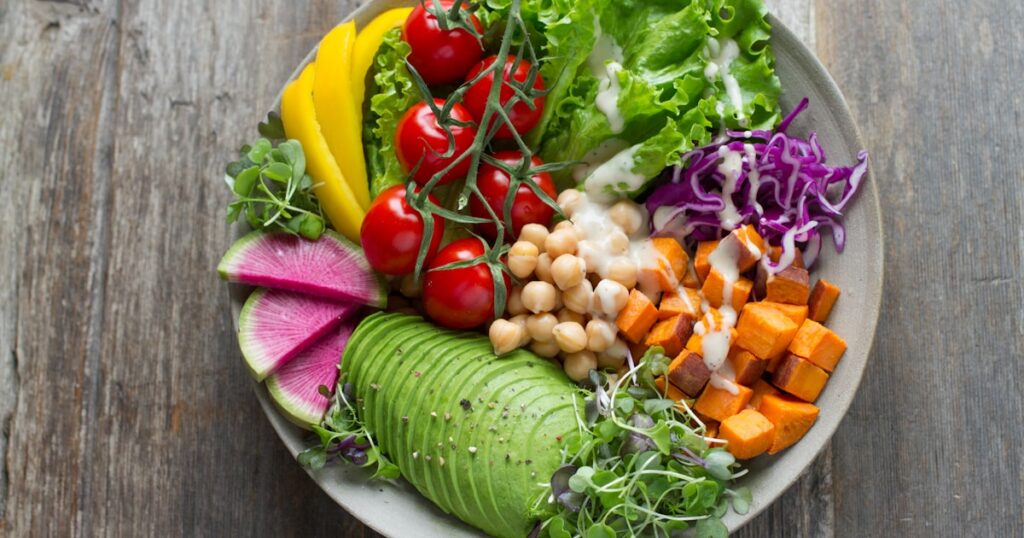
- Fill half your plate with colorful vegetables — especially dark leafy greens and cruciferous varieties
- Eat fatty fish twice weekly; use extra-virgin olive oil as your primary fat
- Add berries, nuts, or dark chocolate as daily snacks
- Season liberally with turmeric, ginger, and garlic
- Replace sugary drinks with green tea or water
Several major dietary patterns — the Mediterranean diet, the DASH diet, and whole-food plant-based diets — naturally align with these principles and have the strongest body of evidence for reducing systemic inflammation and chronic disease risk.
The Bottom Line
Chronic inflammation is modifiable, and food is one of the most powerful levers available. The anti-inflammatory foods described above are backed by decades of research — not just for reducing inflammatory markers, but for measurably lowering the risk of the diseases those markers predict. Small, consistent dietary shifts can compound over time into significant health protection.
Disclosure: This content is for informational purposes only and is not medical advice. Always consult a qualified healthcare provider before making changes to your health regimen.