
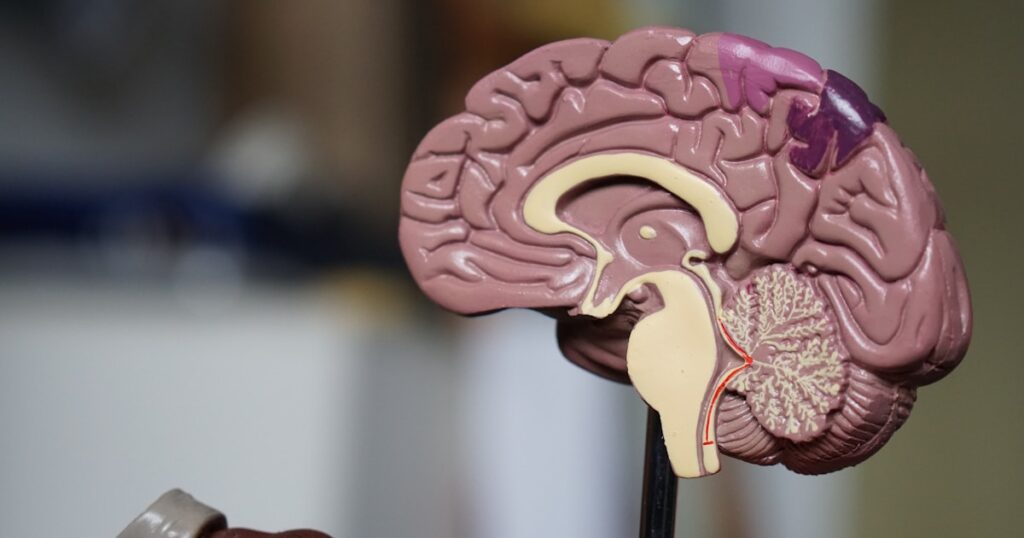
Millions of people reach for diet sodas, sugar-free gum, and “zero-calorie” sweeteners every day with the goal of reducing sugar intake. But a growing body of research is raising questions about the long-term effects of these alternatives on the brain — and a recent study published in Neurology, the journal of the American Academy of Neurology, has added compelling new data to the conversation.
The findings suggest that regular consumption of certain artificial sweeteners may be associated with cognitive declines equivalent to approximately 1.6 years of accelerated brain aging — a statistic that has prompted both scientific debate and public concern.
The Study: What Researchers Found
Led by Claudia Suemoto, MD, PhD, an epidemiologist and Assistant Professor of Geriatrics at the University of São Paulo Medical School — and coordinator of Latin America’s largest brain bank — the research examined the relationship between artificial sweetener consumption and measurable cognitive decline.
The study analyzed seven widely-used artificial sweeteners and their associations with memory performance and overall thinking skills. Participants who regularly consumed these sweeteners showed reductions in both memory recall and cognitive processing, with the observed decline equivalent to about 1.6 additional years of brain aging when compared to non-consumers.
“These findings require more study,” the research team noted, while emphasizing that the results warrant careful attention given the widespread use of these compounds.
The Seven Sweeteners Under Scrutiny
The sweeteners examined in the Neurology study include several that are household staples:
- Aspartame – Found in Diet Coke, NutraSweet, and thousands of “sugar-free” products. In 2023, the World Health Organization’s International Agency for Research on Cancer (IARC) classified aspartame as “possibly carcinogenic to humans” (Group 2B), though at typical consumption levels.
- Saccharin – One of the oldest artificial sweeteners, found in Sweet’N Low. Research has linked saccharin to disruptions in gut microbiota composition, which may have downstream neurological effects via the gut-brain axis.
- Acesulfame-K (Ace-K) – Commonly paired with aspartame in diet beverages. Preliminary animal research suggests it may affect brain function, though human data remain limited.
- Erythritol – A sugar alcohol popular in keto and diabetic-friendly products. A landmark 2023 study in Nature Medicine by researchers at the Cleveland Clinic found elevated erythritol blood levels associated with increased risk of heart attack and stroke.
- Xylitol – Found in chewing gum and dental products. While generally considered safe for dental health, its systemic metabolic effects at high doses are still being studied.
- Sorbitol – A sugar alcohol found in diabetic-friendly candies and some medications. Known to cause gastrointestinal issues at higher doses, with emerging research examining its broader metabolic impact.
How Could Sweeteners Affect the Brain?
Researchers point to several potential biological pathways — though establishing direct causation in human studies remains complex.
The Gut-Brain Axis
One of the most studied mechanisms involves the gut microbiome. Research indicates that certain artificial sweeteners may alter the composition of gut bacteria — a phenomenon with real consequences, given that approximately 90% of the body’s serotonin is produced in the gut. The gut-brain axis — the bidirectional communication network between the gastrointestinal system and the central nervous system — means that disruptions in microbial balance can have measurable effects on mood, cognition, and neurological function.
A study published in Cell found that both saccharin and sucralose significantly altered gut microbiome composition and led to impaired glucose tolerance in some individuals — a metabolic shift that is itself a known risk factor for cognitive decline.
Neuroinflammation
Some research suggests that certain sweetener metabolites may promote low-grade neuroinflammation. Chronic neuroinflammation has been increasingly linked to conditions ranging from depression to Alzheimer’s disease. While the specific pathways remain under investigation, studies indicate that the brain’s immune cells (microglia) may be sensitive to metabolic signals influenced by sweetener consumption.
Insulin Signaling in the Brain
The brain is also sensitive to sweet taste signals. Studies suggest that consuming sweet-tasting compounds — even without actual sugar — may trigger insulin responses that, over time, could contribute to insulin resistance in neural tissue. This type of metabolic dysregulation in the brain has been explored as a potential contributing factor to neurodegenerative conditions.
Context: How Much Should You Worry?
It’s important to understand what this research does — and does not — mean. The Neurology study, like many observational studies, establishes an association, not a definitive cause-and-effect relationship. People who consume large amounts of artificial sweeteners may differ from non-consumers in other lifestyle factors that could affect brain health.
Regulatory bodies, including the U.S. Food and Drug Administration (FDA), have approved these sweeteners as safe at standard consumption levels. The FDA-established Acceptable Daily Intake (ADI) for aspartame, for example, is 50 mg per kilogram of body weight — an amount that would require consuming dozens of diet sodas daily.
However, researchers argue that long-term, low-level chronic exposure may carry different risk profiles than the short-term, high-dose studies typically used to establish ADI thresholds. The Suemoto study adds to a growing literature suggesting that cumulative everyday exposure deserves closer scrutiny.
Who May Be at Greater Risk?
Certain populations may warrant greater caution, according to researchers:
- Older adults – Already at higher baseline risk for cognitive decline, older individuals may be more sensitive to factors that accelerate brain aging.
- People with diabetes or metabolic syndrome – Frequent sweetener users often include those managing blood sugar, yet this population may also face compounded effects from the metabolic pathways involved.
- Heavy consumers – Those relying on multiple sweetener-containing products daily face higher cumulative exposure than occasional users.
- Individuals with gut dysbiosis – Those with already-compromised microbiome balance may experience more pronounced gut-brain axis effects.
Practical Guidance: Smarter Alternatives
For those looking to reduce sweetener exposure, research suggests several evidence-backed approaches:
- Plain sparkling water with a squeeze of citrus can satisfy the craving for carbonated beverages without sweeteners.
- Small amounts of whole food sweeteners such as raw honey or pure maple syrup — used sparingly — retain trace minerals and have a lower glycemic impact than refined sugar.
- Gradually reducing sweetness across the diet can recalibrate taste preferences over weeks, making unsweetened foods taste satisfying again.
- Reading labels carefully — sweeteners appear in unexpected places including yogurt, protein bars, flavored waters, and medications.
Consulting a registered dietitian or healthcare provider can help develop an individualized approach to reducing sugar and sweetener intake while maintaining metabolic health.
The Bottom Line
Research is increasingly pointing toward artificial sweeteners as compounds that — while approved as safe in standard doses — may carry underappreciated long-term risks for brain health when consumed habitually over years or decades. The Neurology study adds to a body of evidence suggesting that the assumption of complete safety for these substitutes deserves ongoing scientific scrutiny.
This doesn’t mean a single diet soda poses meaningful danger. But for individuals who rely on artificial sweeteners as a cornerstone of their daily diet, the emerging science is worth discussing with a qualified healthcare provider.
Disclosure: This content is for informational purposes only and is not medical advice. Always consult a qualified healthcare provider before making changes to your health regimen.