
Imagine detecting cancer from a single blood draw — before any symptoms appear, before a tumor is even visible on a scan. That possibility is no longer science fiction. A new generation of blood-based screening tools, called multi-cancer early detection (MCED) tests, is moving from research labs into clinical practice, and the results so far are both promising and nuanced.
What Are Multi-Cancer Early Detection Tests?
MCED tests are a form of liquid biopsy — a minimally invasive blood test that searches for molecular signals shed by cancer cells into the bloodstream. When cells die, they release small fragments of DNA into the blood. Tumor cells do this too, and crucially, their DNA carries distinct chemical markers called methylation patterns that differ from healthy cell DNA.
By analyzing these circulating tumor DNA (ctDNA) fragments and their methylation signatures, MCED tests can identify whether cancer-associated signals are present — and in many cases, identify which tissue or organ the signal likely originated from.
How Does the Technology Work?
The process involves several steps:
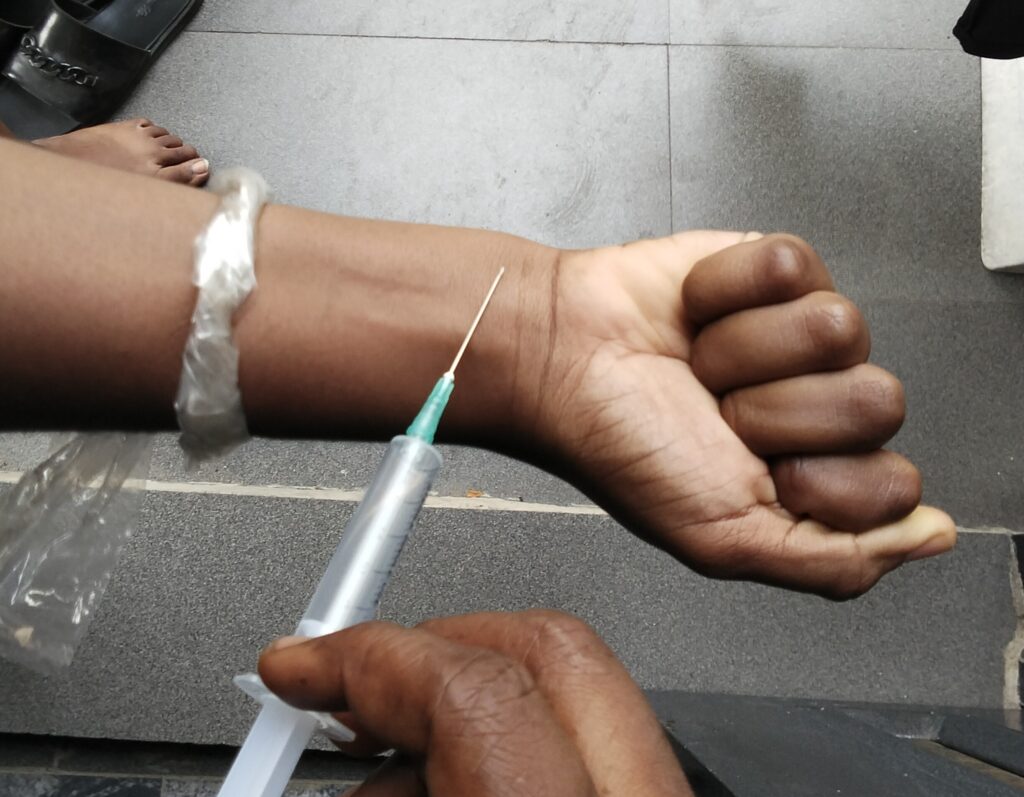
- Blood draw: A standard venous blood sample is collected.
- Cell-free DNA extraction: Tiny DNA fragments circulating freely in plasma are isolated.
- Methylation analysis: Machine-learning algorithms scan millions of methylation sites across the genome, comparing patterns to a trained cancer reference library.
- Signal classification: If a cancer signal is detected, the algorithm predicts the tissue of origin to guide follow-up diagnostics.
The leading test currently available — the Galleri test by GRAIL — analyzes over one million methylation sites and has been trained on data from thousands of cancer and non-cancer samples.
What Does the Research Show?
The landmark PATHFINDER study, published in The Lancet, enrolled 6,662 adults aged 50 and older at elevated cancer risk. Key findings included:
- About 1.4% of participants had a positive cancer signal detected.
- Among those with confirmed cancer, the test correctly identified the tissue of origin in approximately 88% of cases, helping physicians direct follow-up testing efficiently.
- The test specificity exceeded 99.5%, meaning the false positive rate was extremely low — a critical consideration for population-wide screening.
Sensitivity — the ability to catch a cancer that is truly present — varies considerably by cancer stage. Studies indicate the test detects approximately 16–40% of Stage I and II cancers but performs significantly better for Stage III and IV disease. Researchers are actively working to improve early-stage sensitivity, which remains the field’s biggest challenge.
The UK’s NHS-Galleri trial, one of the largest cancer screening trials ever conducted, enrolled over 140,000 volunteers aged 50–77. Results from this trial are expected to provide definitive real-world evidence on the test’s ability to reduce cancer mortality at population scale.
Why Does This Matter? The Unscreened Cancer Problem
Currently, routine screening guidelines in the United States exist for only five cancer types: breast, cervical, colorectal, lung, and prostate. This leaves more than 70 cancer types — including pancreatic, ovarian, liver, and stomach cancers — without any recommended population screening tool.
Many of these unscreened cancers are diagnosed at late stages precisely because they produce no early symptoms. Pancreatic cancer, for example, has a five-year survival rate of just 12% when diagnosed at Stage IV, compared to over 40% when caught at Stage I, according to data from the American Cancer Society. Early detection has the potential to shift those numbers dramatically.
Research published in JNCI has noted that most cancer deaths occur in cancer types for which there is no recommended screening — making MCED tests a potential solution to this long-standing gap.
Who Might Benefit From Testing?
While MCED tests are not yet universally recommended, early evidence suggests they may be particularly valuable for:
- Adults aged 50 and older, especially those with elevated cancer risk due to family history, smoking history, or prior cancer diagnosis
- Individuals in populations with historically limited access to cancer screening
- People concerned about cancer types for which no screening currently exists
The Galleri test is currently available by prescription in the United States at a self-pay cost of approximately $950. It is not yet covered by most insurance plans, though Medicare is exploring coverage pathways as clinical evidence matures. Importantly, it is intended to complement — not replace — existing screening methods like mammography and colonoscopy.
Limitations and What We Still Do Not Know
MCED tests are genuinely exciting, but researchers caution that important questions remain unanswered:
- Stage sensitivity: The tests are much better at detecting later-stage cancers — the very stages where treatment is hardest. Improving sensitivity for Stage I disease is a key research priority.
- Long-term outcomes: No randomized controlled trial has yet proven that MCED testing reduces cancer mortality at the population level. The NHS-Galleri trial and similar studies aim to address this.
- False positives and follow-up burden: While specificity is high, a small percentage of positive results will not correspond to cancer. These cases require additional imaging and tests, which can be costly and anxiety-inducing.
- Health equity: The self-pay cost currently limits access. Ensuring these tools reach underserved populations will be critical to realizing their full public health benefit.
What Happens If You Test Positive?
A positive MCED result does not mean a cancer diagnosis — it means a cancer signal has been detected that warrants further investigation. The next step is typically imaging (such as PET-CT or MRI), guided by the test’s predicted tissue of origin. Research indicates that diagnostic resolution is typically reached within approximately 79 days following a positive result. Healthcare providers can help determine the most appropriate follow-up pathway for individual circumstances.
The Road Ahead
The FDA has granted Breakthrough Device Designation to GRAIL’s Galleri test, and multiple other companies — including Exact Sciences and several academic research groups — are developing competing MCED platforms. The field is evolving rapidly, with new studies expected to clarify sensitivity benchmarks, optimal screening intervals, and which populations benefit most.
Multi-cancer blood tests may not yet be the complete answer to early cancer detection, but they represent one of the most significant shifts in cancer screening philosophy in a generation: the idea that a single routine blood draw, much like a cholesterol panel, could become a standard tool for detecting cancer early — when treatment is most effective and survival rates are highest.
Consult your healthcare provider to discuss whether multi-cancer early detection testing makes sense for your individual risk profile and health goals.
Disclosure: This content is for informational purposes only and is not medical advice. Always consult a qualified healthcare provider before making changes to your health regimen.